Care to revisit this post? A lot of wrong in there
Happy to revisit.
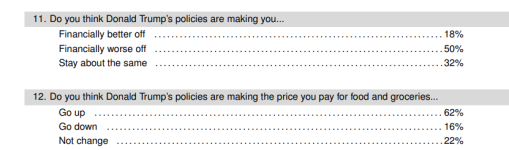
To be clear I would have been happy with a more targeted approach to protect certain industries or against certain countries, but the data so far does not dispute anything I said. We, US citizens, are paying the cost of the tariffs, the employment situation has not improved, some concessions have been made but I am somewhat skeptical that they will be fulfilled (see below) trade deficits have not narrowed. Also, I did not claim that the tariffs would be inflationary and I think most economists and the media over played this
You also said—“Lots of manufacturing is indeed returning to the US .“ Thee are reports of restoring and that is true . The anecdotal evidence is not consistent with the data that show that manufacturing employment has shed 37:000 jobs the last three months. in addition, the overall job situation is not better.
You said “And this far there is an economic boom.“ 2025Q1 gdp growth was negative. Q2 GDP growth was 3.0 percent. if you think that quarterly growth was a boom would you call 2.8 and 2.9 growth a boom in 2023 and 2024.
You said “Markets are at record highs “ that is true, but what is your counterfactual?. I would suspect they would be even higher without the tariffs and the induced uncertainty. On average, the return on stock are 7% so most Presidents can claim all-time highs. It is not clear how much their policies influenced that.
1) most evidence points to US paying the cost of tariffs. In some cases prices for consumers have gone up; in other cases domestic firms have paid higher prices for intermediate imported goods annot raised prices — so profits are lower for US firms. That is still a cost to the U.S. there is little evidence the tariffs have been shifted on to foreign producers. Happy to provide data to support this statement.
2. There has been no notable increase in employment and, in fact, employment growth has slowed and unemployment has gone up a tick. Please do not claim that the BLS numbers are biased. The initial numbers may be wrong but the revisions are a better picture because the are revised as the survey data come in and they come in later than they use to a decade or so ago.
3. There have been concessions by some countries but most of the concessions are for promises to buy or invest. There has been little to no reduction in trade barriers or lower tariffs. It could be the case that countries do follow through, but the evidence from the first Trump administration was that countries did not follow through—- no increase in soy bean purchases or ag purchases Perhaps they will but none of the commitments are binding. I wish it were different
4. Trade deficits have not narrowed. The trade deficit narrowed in 2025:Q2 relative to 2025:Q1 but that was because so many firms in the U.S. tried to get ahead of the tariffs and imports increased dramatically. The trade deficit is now roughly the same as it was in I’m 2024. What may be more of a concern is that after tariff increases a country’s currency typically appreciates because the country stipples less of their currency to foreign exchange market and the reduction in supply leads to the appreciation. This time the dollar has not appreciated because other countries do not want to hold as much U.S. denominated assets. This may cause more trouble when the U.S. tries to finance its government debt.
I forgot the auto industry, more than 50 percent of South Carolinas imports from Mexico are auto parts and a significant portion of the states exports of autos goes to Canada.tThe auto industry lobbied hard to get a exemption on tariffs. As we are seeing this is not a feature of the tariffs as companies are lobbying and offering special favors for tariffs concessions. So the companies with the resources can use their political influence to gain favor while small and medium sized firms pay the higher cost. Rent-seeking is not a feature of the system

 www.nbcnews.com