Hope this is true. I live in an area where I can get FIOS. I would hate to switch but probably will if they cancel BTN
Dude switch. FiOS is sooooo much better than comcast.
Hope this is true. I live in an area where I can get FIOS. I would hate to switch but probably will if they cancel BTN
Looks like this was a preemptive Fox move to go to the media first. They did this earlier then similar carriage negotiations in the past. Don’t expect any Comcast public response at this point.I’m getting an internal update on this issue in about 5 minutes and will share anything i can.
You are laughing, but to some extent, he is correct. You just have to ignore the politics of it because it's most definitely not a red/blue issue.[roll]
Private companies don’t “regulate”, governments do. The roll back pursued by the current FCC lightens ability to regulate, not increases it. It’s a matter of who you trust more, industry or government.You are laughing, but to some extent, he is correct. You just have to ignore the politics of it because it's most definitely not a red/blue issue.
What the telecoms want to do with the internet is create the exact same environment with your internet service that you are seeing where the telecoms (Comcast) are allowed to cut off what you can access via your internet connection exactly the same way they can cut off BTN today.
The recent roll back of the Title II provisions of Net Neutrality (pushed through by Ajit Pai), enable the telecoms to do just that. So if you don't like the idea of losing BTN on cable TV, how're you gonna feel when your telecom ISP stops providing access to your favorite internet sites and services, like Google search, or online banking or brokerage services?
With cable TV, it's not a big deal because TV is a non-essential service. But the internet is already very important to most people, and is rapidly becoming essential for various critical services (health monitoring, and remote security monitoring, for example). By 2030, the internet will be at least as essential to most of us as our electricity service is.
Today we pay one fee for internet access and for that fee we get everything the internet has to offer without anybody, our ISP, the government, regulating it in any way. Nothing but the free marketplace restricts what ISP's can charge for that internet access. It's perfect.
Ajit Pai's rollback of Title II in Net Neutrality has done away with that. Now your telecom can legally regulate what you can access on the internet. They can chose what content to allow, what speeds to allow it at, etc.
Telecoms are losing money over cord cutting. Everybody gets more for less through internet streaming so they don't need to pay the more expensive cable TV fees. The free market won't support telecoms raising internet connection fees too much, too fast, so they need a different way to pry your money from you.
Without Title II in Net Neutrality, the telecoms can now carve up internet content any way they want, AND they can negotiate with content providers (the Google's, Facebooks, Online Banks, Brokerage services, etc.) to charge them more to prioritize their content, while de-prioritizing, or eliminating, others.
So we've now gone from a free and unregulated internet to an internet regulated by the telecoms in any arbitrary way they see fit. Kind of like Comcast regulating who can see BTN.
It sucks. People should be furious about this. But many have been grossly misled by the telecoms hugely expensive propaganda campaign. If you doubt this, then ask yourself why the telecoms have spent so damn much money trying to do away with Title II?
It sure as **** ain't because they don't want to change anything w/your internet service.

OK, first off, nobody has ever even done or suggested this, except for the previous Federal administration who gave us this whole doomsday "what if" scenario to justify a whole new regulatory infrastructure to oversee something that was never broken to begin with. IF (and that's a big IF) Comcast or Verizon goes ahead and tries to implement internet access tiers, we can go ahead and revisit the need to regulate them in this regard. Or how about our elected officials who actually are answerable to the voters do something about it, instead of some nameless, faceless panel of dickheads with no accountability.You are laughing, but to some extent, he is correct. You just have to ignore the politics of it because it's most definitely not a red/blue issue.
What the telecoms want to do with the internet is create the exact same environment with your internet service that you are seeing where the telecoms (Comcast) are allowed to cut off what you can access via your internet connection exactly the same way they can cut off BTN today.
The recent roll back of the Title II provisions of Net Neutrality (pushed through by Ajit Pai), enable the telecoms to do just that. So if you don't like the idea of losing BTN on cable TV, how're you gonna feel when your telecom ISP stops providing access to your favorite internet sites and services, like Google search, or online banking or brokerage services?
With cable TV, it's not a big deal because TV is a non-essential service. But the internet is already very important to most people, and is rapidly becoming essential for various critical services (health monitoring, and remote security monitoring, for example). By 2030, the internet will be at least as essential to most of us as our electricity service is.
Today we pay one fee for internet access and for that fee we get everything the internet has to offer without anybody, our ISP, the government, regulating it in any way. Nothing but the free marketplace restricts what ISP's can charge for that internet access. It's perfect.
Ajit Pai's rollback of Title II in Net Neutrality has done away with that. Now your telecom can legally regulate what you can access on the internet. They can chose what content to allow, what speeds to allow it at, etc.
Telecoms are losing money over cord cutting. Everybody gets more for less through internet streaming so they don't need to pay the more expensive cable TV fees. The free market won't support telecoms raising internet connection fees too much, too fast, so they need a different way to pry your money from you.
Without Title II in Net Neutrality, the telecoms can now carve up internet content any way they want, AND they can negotiate with content providers (the Google's, Facebooks, Online Banks, Brokerage services, etc.) to charge them more to prioritize their content, while de-prioritizing, or eliminating, others.
So we've now gone from a free and unregulated internet to an internet regulated by the telecoms in any arbitrary way they see fit. Kind of like Comcast regulating who can see BTN.
It sucks. People should be furious about this. But many have been grossly misled by the telecoms hugely expensive propaganda campaign. If you doubt this, then ask yourself why the telecoms have spent so damn much money trying to do away with Title II?
It sure as **** ain't because they don't want to change anything w/your internet service.
Private companies don't regulate? [laughing] You want a mulligan on that?Private companies don’t “regulate”, governments do. The roll back pursued by the current FCC lightens ability to regulate, not increases it. It’s a matter of who you trust more, industry or government.
Wrong.OK, first off, nobody has ever even done or suggested this, except for the previous Federal administration who gave us this whole doomsday "what if" scenario to justify a whole new regulatory infrastructure to oversee something that was never broken to begin with. IF (and that's a big IF) Comcast or Verizon goes ahead and tries to implement internet access tiers, we can go ahead and revisit the need to regulate them in this regard. Or how about our elected officials who actually are answerable to the voters do something about it, instead of some nameless, faceless panel of dickheads with no accountability.
In the meantime, why in God's name anyone would think that a government that can't balance a budget, run a VA properly, keep the roads well paved and the bridges in good repair, that can't do anything well other than one area of demonstrated expertise (the military) would do any better with regulating the internet than they have with the million other things they've stuck their noses into is beyond me.
Besides, 5G is rolling out in the next year or two and the whole system will be turned on its head.

Neither because both will screw you.Private companies don’t “regulate”, governments do. The roll back pursued by the current FCC lightens ability to regulate, not increases it. It’s a matter of who you trust more, industry or government.

I’m 4 blocks off of Rt 1 in Middlesex county. No FIOS for me.Doesn't New Jersey have Verizon Fios?

I’m 4 blocks off of Rt 1 in Middlesex county. No FIOS for me.
I’m 4 blocks off of Rt 1 in Middlesex county. No FIOS for me.
You are laughing, but to some extent, he is correct. You just have to ignore the politics of it because it's most definitely not a red/blue issue.
What the telecoms want to do with the internet is create the exact same environment with your internet service that you are seeing where the telecoms (Comcast) are allowed to cut off what you can access via your internet connection exactly the same way they can cut off BTN today.
The recent roll back of the Title II provisions of Net Neutrality (pushed through by Ajit Pai), enable the telecoms to do just that. So if you don't like the idea of losing BTN on cable TV, how're you gonna feel when your telecom ISP stops providing access to your favorite internet sites and services, like Google search, or online banking or brokerage services?
With cable TV, it's not a big deal because TV is a non-essential service. But the internet is already very important to most people, and is rapidly becoming essential for various critical services (health monitoring, and remote security monitoring, for example). By 2030, the internet will be at least as essential to most of us as our electricity service is.
Today we pay one fee for internet access and for that fee we get everything the internet has to offer without anybody, our ISP, the government, regulating it in any way. Nothing but the free marketplace restricts what ISP's can charge for that internet access. It's perfect.
Ajit Pai's rollback of Title II in Net Neutrality has done away with that. Now your telecom can legally regulate what you can access on the internet. They can chose what content to allow, what speeds to allow it at, etc.
Telecoms are losing money over cord cutting. Everybody gets more for less through internet streaming so they don't need to pay the more expensive cable TV fees. The free market won't support telecoms raising internet connection fees too much, too fast, so they need a different way to pry your money from you.
Without Title II in Net Neutrality, the telecoms can now carve up internet content any way they want, AND they can negotiate with content providers (the Google's, Facebooks, Online Banks, Brokerage services, etc.) to charge them more to prioritize their content, while de-prioritizing, or eliminating, others.
So we've now gone from a free and unregulated internet to an internet regulated by the telecoms in any arbitrary way they see fit. Kind of like Comcast regulating who can see BTN.
It sucks. People should be furious about this. But many have been grossly misled by the telecoms hugely expensive propaganda campaign. If you doubt this, then ask yourself why the telecoms have spent so damn much money trying to do away with Title II?
It sure as **** ain't because they don't want to change anything w/your internet service.
Sounds like 4 schools would be spared because Comcast isn't the local provider.
https://purdue.rivals.com/news/big-ten-network-president-blasts-comcast-as-contract-nears-end
Tuesday's latest statement from Silverman suggests 10 of the 14 markets in the Big Ten could be without a cable platform to watch several Big Ten Conference games.
"Basically everyone except for Ohio State, Wisconsin, Nebraska and Iowa," Silvermann said Tuesday are the only school markets where Comcast isn't the local cable provider. "Unfortunately, my fear is the removal of BTN in the outer market may just be the first step in Comcast's plan to remove BTN from their systems everywhere, including the Big Ten home markets. Now, in addition to the BTN agreement expiring, so is the agreement for all Big Ten games that air on FS1. BTN and FS1 have made proposal to Comcast dating back to February, and we've had no substantive response at all."
ISPs and telecoms are basically the owners of internet pipes, right? With or without Net Neutrality, the pipe owners are completely free to charge whatever they wish (basically whatever the market will bear) for transmitting data across their pipes.Well it sure seems you know about this in more depth than I do. I understood it to mean the a company like Netflix would expect a delivery company like Comcast or FiOS to have to provide very high levels of low latency bandwidth with no financial support from Netflix the content provider. Seems like a great though unfair business model from Netflix. Stream HD video someone else pays the freight to deliver it. My understanding is now the delivery providers can negotiate fees from Netflix or refuse to carry. Seems fair to me. Am I wrong? Missing the big picture? Educate me.
ISPs and telecoms are basically the owners of internet pipes, right? With or without Net Neutrality, the pipe owners are completely free to charge whatever they wish (basically whatever the market will bear) for transmitting data across their pipes.
What Net Neutrality does is it requires the pipe owners to effectively ignore the source of the data flowing across their pipes to their customers internet devices. So, under NN, Comcast cannot treat data originating from Netflix any differently than data originating from Google, or from NASA, or from a guy who publishes a blog all about great places to catch naps at sporting events across America.
The idea that Comcast or Optimum, or any other telecom or ISP, were somehow being forced, by Net Neutrality, to give Netflix an unfair deal is simply wrong. Here's a good, albeit partial, overview of what Netflix currently pays for internet service:
Netflix is paying an estimated $40MM per month to Amazon, and other internet service providers, to push their content (movies) out to the internet. The telecom's end users, you and me, pay the telecom for the use of a pipe from the internet to our house (or mobile device) so we can receive what Netflix has pushed out onto the internet.
It's a perfectly fair, perfectly competitive system. It's a level playing ground for all involved.
Don't get me wrong. There's plenty of room for debate about fairness in business practices between content providers and service providers. It's just that that's a separate debate from the goodness of Net Neutrality. Everybody is paying for their use of the pipe today.I see what you're saying - the disagreement is from the fact that you and I are paying for the "telecom for the use of the pipe". The argument I've heard is that the pipe was designed for web browsing and some streaming. A provider of such bandwidth intensive content as HD video streaming puts more of a strain on the infrastructure forcing the telecom guys into expensive upgrades to support basically Netflix, Hulu etc. That's costs you and I (and them). And the providers aren't allowed to be forced to pay their fair share of that much larger pipe requirement - it's spread out to everyone because of NN.
Like I said earlier I looked into it years ago and that's what I learned IIRC. I don't really care about either the telecoms or the providers so I don't have a dog in this fight (that I care about).
I'll defer to your expertise though.
Kinda ironic since the BIG chose rutgers because of our cable footprint.
Well we're already in so our status isn't changing regardless of loss of attractiveness or not. Also Comcast isn't the only provider in the region, there are others like FIOS/Optimum etc.. who still carry BTN so revenue still comes in from them. BTN is also part of some streaming services like YoutubeTV and others so I'm sure there is revenue coming in from them as well. There are plenty of B10 fans in this market as well besides RU.I was wondering about this. Does RU remain as attractive to the B1G in a world where Comcast does not carry BTN? (I hope that's not too dumb a question!)

Do you really think so? I have FiOS, and switched from Comcast to get it, but I really don't see much of a difference (this Big Ten Network thing notwithstanding). But for inertia, I'd call Comcast, ask them to beat my deal with Verizon, which they would, and I'd switch back. I don't see any difference between the two, really.Dude switch. FiOS is sooooo much better than comcast.
Do you really think so? I have FiOS, and switched from Comcast to get it, but I really don't see much of a difference (this Big Ten Network thing notwithstanding). But for inertia, I'd call Comcast, ask them to beat my deal with Verizon, which they would, and I'd switch back. I don't see any difference between the two, really.
Don't get me wrong. There's plenty of room for debate about fairness in business practices between content providers and service providers. It's just that that's a separate debate from the goodness of Net Neutrality. Everybody is paying for their use of the pipe today.
Net Neutrality doesn't prevent the service and content providers from working out a fair arrangement. What it prevents is service providers injecting themselves into the system as content mediators or arbitrators who can arbitrarily close or narrow the pipe for certain content providers, thus giving them an unfair bargaining position.
If we were talking about cable TV, where service providers (telecoms) have done exactly what I'm describing, I'd be okay with it. It's a non-essential service and telecoms were able to reap great profits (padding my pockets as a shareholder). All good, if a little annoying when they do things like cut BTN.
But the internet is different from cable TV in a number of ways. The most important is that the internet is far more essential than TV. How many businesses today could operate without the internet? Our homes will soon require the internet in may ways, some already do. Without the internet, our phones become dumb again. Etc.
But also, the wide open, unregulated and unconstrained internet, which is what NN w/Title II strives to maintain, fosters great innovation. It's a critical service for a great many new small businesses, without which they couldn't exist.
If we allow the telecoms to behave the same way with internet content that they do with TV content, then we're going to lose out on a huge amount of innovation across the internet. Because a whole lot of great stuff on the internet starts out as a single person with a great idea.
Some coder gets a great idea, they don't need lawyers and accountants to negotiate carrier fees with telecoms. They just need to pay monthly bandwidth fees. As they get more successful, they can spend more on bandwidth and add more servers. It's a perfect ecosystem for innovation.
If they are successful, they grow, and hire people, including lawyers and accountants, and they contribute positively to our economy.
Consider this, if telecoms treated internet content the way they treat TV content, Facebook probably never happens. Zuckerberg was a coder, not a lawyer or accountant. He knew how to create but not how to negotiate carrier fee agreements with multiple telecoms. All those high paying jobs might never have happened.
Don't believe me? When was the last time some guy producing a TV show in his garage on a $100/month budget had his show added to your cable TV channel lineup?
I agree that public outrage will constrain just how much the telecoms can get away with. But only for the currently popular services. There's an enormous amount of content on the internet that hasn't yet achieved the popularity to cause enough outrage to survive.OK I can see the problem with Comcast or Verizon filtering what you can see on the internet. Not sure that's really a possibility due to the public outrage that would ensue but these days who knows.
This is what happens when people keep supporting candidates who have been bought by the telecoms. The telecoms grow and grow and screw consumers over based on their bottom lines and even their corporate/personal vendettas. And it goes the other way too - companies can collude to stifle competition (remember when FIOS was abandoned in areas?) Do you really think you will have a choice in the Ajit Pai era?
Don't forget YES was dropped for more than a year so it definitely could be a possibility as much as negotiating tactic.

Well we're already in so our status isn't changing regardless of loss of attractiveness or not. Also Comcast isn't the only provider in the region, there are others like FIOS/Optimum etc.. who still carry BTN so revenue still comes in from them. BTN is also part of some streaming services like YoutubeTV and others so I'm sure there is revenue coming in from them as well. There are plenty of B10 fans in this market as well besides RU.
This isn't just an RU problem either as 10 of the 14 schools will have some issue with their fans getting BTN because Comcast is one of the local providers in the area.
I agree that public outrage will constrain just how much the telecoms can get away with. But only for the currently popular services. There's an enormous amount of content on the internet that hasn't yet achieved the popularity to cause enough outrage to survive.
The real threat isn't that we'd lose access to facebook or twitter; it's that innovation, creativity and competition will be stifled. It's not that telecoms would want to inhibit the next facebook, that would be counter-productive for them. It's just that the cost and complexity of bootstrapping the next facebook will naturally inhibit a great many people from making the attempt.
Not every internet startup today bootstraps itself with venture capital.
I have Comcast in my area, but not FIOS. What are my streaming options to watch BTN other than YouTubeTV? And how does YouTube stack up to the other streaming options? (I have no objection to YouTube, but if there is an option that is better for me, I might as well do that.)

Don't get me wrong. There's plenty of room for debate about fairness in business practices between content providers and service providers. It's just that that's a separate debate from the goodness of Net Neutrality. Everybody is paying for their use of the pipe today.
Net Neutrality doesn't prevent the service and content providers from working out a fair arrangement. What it prevents is service providers injecting themselves into the system as content mediators or arbitrators who can arbitrarily close or narrow the pipe for certain content providers, thus giving them an unfair bargaining position.
If we were talking about cable TV, where service providers (telecoms) have done exactly what I'm describing, I'd be okay with it. It's a non-essential service and telecoms were able to reap great profits (padding my pockets as a shareholder). All good, if a little annoying when they do things like cut BTN.
But the internet is different from cable TV in a number of ways. The most important is that the internet is far more essential than TV. How many businesses today could operate without the internet? Our homes will soon require the internet in may ways, some already do. Without the internet, our phones become dumb again. Etc.
But also, the wide open, unregulated and unconstrained internet, which is what NN w/Title II strives to maintain, fosters great innovation. It's a critical service for a great many new small businesses, without which they couldn't exist.
If we allow the telecoms to behave the same way with internet content that they do with TV content, then we're going to lose out on a huge amount of innovation across the internet. Because a whole lot of great stuff on the internet starts out as a single person with a great idea.
Some coder gets a great idea, they don't need lawyers and accountants to negotiate carrier fees with telecoms. They just need to pay monthly bandwidth fees. As they get more successful, they can spend more on bandwidth and add more servers. It's a perfect ecosystem for innovation.
If they are successful, they grow, and hire people, including lawyers and accountants, and they contribute positively to our economy.
Don't believe me? When was the last time some guy producing a TV show in his garage on a $100/month budget had his show added to your cable TV channel lineup?
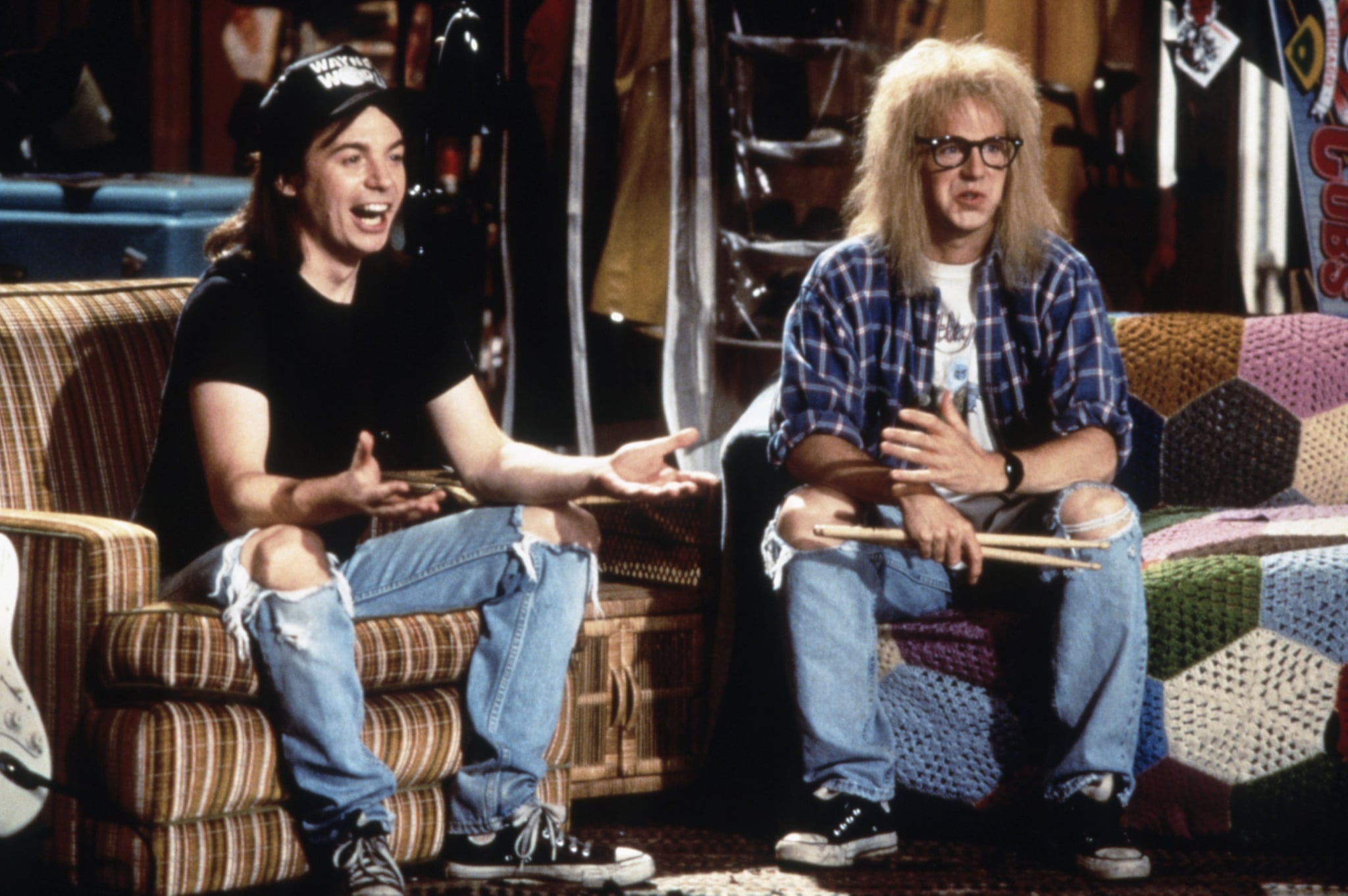
I was thinking about Zack Galifianakis's between two ferns when I wrote that sentence. LOL. Although I'm not sure if that's on cable vs. across Netflix or some other internet content source.
So what if they use streaming services for that. It's no different than people watching the SEC Network on tv instead of BTN.See Politi's take: https://www.nj.com/rutgersfootball/...he_big_ten_development_that_should_scare.html
He suggests that the size of a team's fan base may matter a lot more than the size of the media market around us: that people using streaming services in the northeast,for instance, might prefer an Alabama game to a Rutgers game.
I think you still need to have it as part of your tv package to do that. I'm not sure if the BTN has a stand alone streaming service that doesn't require that though.Is it possible to just by BTN2go.com or whatever it's called and cast that to your TV using Chrome cast or something like that?
As posted above Youtube TV 40/month, Hulu 40 month, DirectTV now 2nd lowest package 50/month, Sony Vue 50/month. I suggested earlier if I had Comcast, I'd get one of them for a few month so 120-150 bucks and then cancel at the end of the season. If I happen to like my sampling might just quit their tv completely.I have Comcast in my area, but not FIOS. What are my streaming options to watch BTN other than YouTubeTV? And how does YouTube stack up to the other streaming options? (I have no objection to YouTube, but if there is an option that is better for me, I might as well do that.)
 The Knight Report
Rutgers Baseball Transfer Portal Profile: C/1B Nick Shuhet
The Knight Report
Rutgers Baseball Transfer Portal Profile: C/1B Nick Shuhet
 The Knight Report
Join The Knight Report TODAY and get it for 60% off!
The Knight Report
Join The Knight Report TODAY and get it for 60% off!
 The Knight Report
RU Football survey results: Fans share thoughts on Greg Schiano, Defense, & Direction of Program
The Knight Report
RU Football survey results: Fans share thoughts on Greg Schiano, Defense, & Direction of Program
 The Knight Report
Brandin Knight takes over Rutgers basketball while Steve Pikiell battles cancer
The Knight Report
Brandin Knight takes over Rutgers basketball while Steve Pikiell battles cancer
 High School Football
Prediction: Can Bergen Catholic (N.J.) run the table in the 2nd half of the season?
High School Football
Prediction: Can Bergen Catholic (N.J.) run the table in the 2nd half of the season?

