Typical of nanny state nonsense that does the opposite of what they purportedly wanted to do:
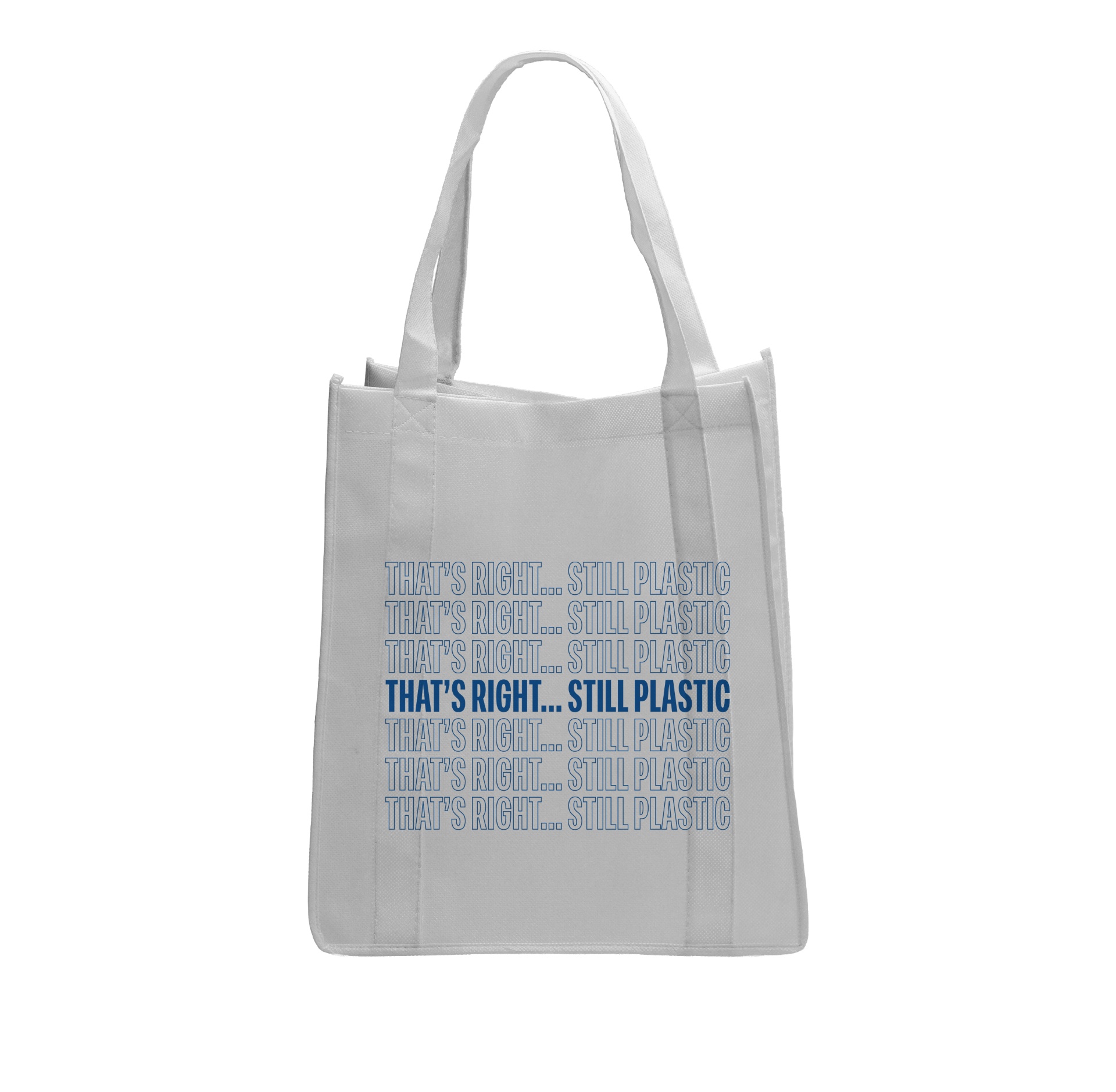
But in practice, the replacement bags are thicker plastic products that require far more material and energy to manufacture.
A 2024 study found that while fewer bags are used overall, total plastic consumption tripled as shoppers shifted to thicker reusable bags. These bags require more than 15 times the plastic to make as traditional plastic film bags and generate more than five times the greenhouse gas emissions during manufacturing.
Just as importantly, these bags cannot be recycled. On average, New Jersey shoppers reuse them only two to three times before they end up in a landfill. Most readers can probably remember a time when they forgot to bring their “reusable” bags to the grocery store and had to buy more.


 www.insidernj.com
But in practice, the replacement bags are thicker plastic products that require far more material and energy to manufacture.
A 2024 study found that while fewer bags are used overall, total plastic consumption tripled as shoppers shifted to thicker reusable bags. These bags require more than 15 times the plastic to make as traditional plastic film bags and generate more than five times the greenhouse gas emissions during manufacturing.
Just as importantly, these bags cannot be recycled. On average, New Jersey shoppers reuse them only two to three times before they end up in a landfill. Most readers can probably remember a time when they forgot to bring their “reusable” bags to the grocery store and had to buy more.
New Jersey’s Bag Ban Is Increasing Plastic Use, Not Reducing It (Sponsored Content) - Insider NJ
New Jersey’s Bag Ban Is Increasing Plastic Use, Not Reducing It (Sponsored Content) New Jersey’s Bag Ban Is
www.insidernj.com

 I have many uses for plastic bags and that is unlikely to ever change.