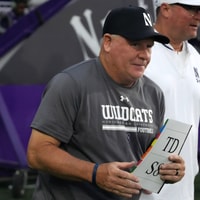
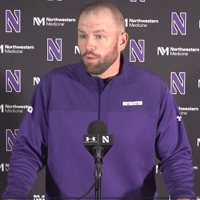
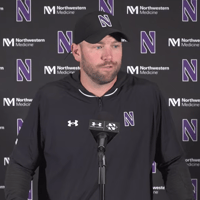
The settlement between Northwestern University and Pat Fitzgerald is nothing short of a full vindication for the longtime head football coach. After months of being smeared and scapegoated, Fitzgerald emerges with his reputation intact and the university forced to quietly cut a massive check.
This outcome underscores what many of us suspected from the beginning: Northwestern’s case for terminating Fitzgerald was flimsy, rushed, and based more on public relations panic than on substantive evidence. In the end, the university essentially admitted its blunder by choosing settlement over trial, sparing itself the humiliation of having its weak decision-making laid bare in court.
At the heart of this fiasco lies the gross incompetence of Northwestern’s president, Michael Schill. Rather than exercising patience, leadership, and fairness, Schill caved to pressure and abandoned due process. His hasty choice to fire Fitzgerald was not only ill-conceived but emblematic of a leader who prioritizes optics over integrity. Instead of standing firm, conducting a thorough investigation, and supporting a man who had given decades of service to the school, Schill tossed aside a decorated alumnus and coach in a cowardly attempt to appease outrage. It was a catastrophic lapse in judgment that has now cost the university dearly in both dollars and credibility.
The damage Schill has inflicted on Northwestern goes far beyond this settlement. Alumni, athletes, and fans alike now see an administration adrift, guided by fear and political expediency rather than principle. Schill’s decision has fractured trust in leadership and diminished Northwestern’s national reputation, all while strengthening Fitzgerald’s standing as the wronged party.
In the end, Fitzgerald walks away vindicated, compensated, and respected—while Schill is left exposed as a weak, reckless president whose legacy will be forever tied to one of the most embarrassing leadership failures in the university’s history.
This outcome underscores what many of us suspected from the beginning: Northwestern’s case for terminating Fitzgerald was flimsy, rushed, and based more on public relations panic than on substantive evidence. In the end, the university essentially admitted its blunder by choosing settlement over trial, sparing itself the humiliation of having its weak decision-making laid bare in court.
At the heart of this fiasco lies the gross incompetence of Northwestern’s president, Michael Schill. Rather than exercising patience, leadership, and fairness, Schill caved to pressure and abandoned due process. His hasty choice to fire Fitzgerald was not only ill-conceived but emblematic of a leader who prioritizes optics over integrity. Instead of standing firm, conducting a thorough investigation, and supporting a man who had given decades of service to the school, Schill tossed aside a decorated alumnus and coach in a cowardly attempt to appease outrage. It was a catastrophic lapse in judgment that has now cost the university dearly in both dollars and credibility.
The damage Schill has inflicted on Northwestern goes far beyond this settlement. Alumni, athletes, and fans alike now see an administration adrift, guided by fear and political expediency rather than principle. Schill’s decision has fractured trust in leadership and diminished Northwestern’s national reputation, all while strengthening Fitzgerald’s standing as the wronged party.
In the end, Fitzgerald walks away vindicated, compensated, and respected—while Schill is left exposed as a weak, reckless president whose legacy will be forever tied to one of the most embarrassing leadership failures in the university’s history.