Was thinking this am after the Bowl game was canceled yesterday for weather. It seems every new stadium now in the MLB and NFL is going tractable roof.
I wonder how long it will be until it goes to the college ranks.
Cost is a major consideration but as they perfect the technology and processes that should come down.
I can see it being huge for northern schools.
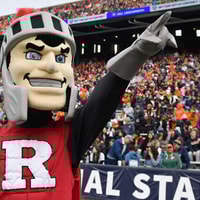
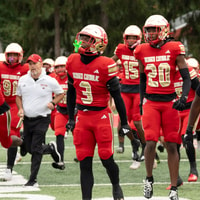
Rutgers for example typically is ok during football season since the weather starts getting cool after Halloween with only a couple of home games left. But when you look at other sports (Soccer / lacrosse) playing into November or in February / March the open stadium may have effects.I wonder if Rutgers Stadium may get a retractable dome some years in the future (say sometime between 2030 and 2050) after maybe an expansion to 60k seats.
Met life stadium opened in 2010. By 2035 to 2040 they will probably look to upgrade / replace it. I would not be surprised if they put a retractable dome on the upgraded stadium.
Citi Field opened in 2009. By 2035 to 2040 they will be ready for an upgrade and can see them maybe trying a retractable roof. For baseball it makes the most sense at the MLB level since there are so many games and there can be a huge walk up factor for tickets. A rainy or cold dy leads fans to staying home. Plus it is annoying when you have tickets and face a 2 hour delay or worst the game playing through 45 degree weather and rain because of tv contracts.
On the same note Baseball and Softball struggle because of weather. Not sure if it is possible for a retractable dome combined baseball / softball stadium with say 15,000 seats for spectators. Out teams tend to struggle early in the season because of weather. In college more than half the season is over before the MLB season actually starts in April. This will also help recruitment of the best area players who may tend to go south or west to play because they can play almost year round. As for the fields being idle, it probably will only happen in the May through October time period since many HS and youth leagues will wwant the field for practice and tourneys over the cold months.
I wonder how long it will be until it goes to the college ranks.
Cost is a major consideration but as they perfect the technology and processes that should come down.
I can see it being huge for northern schools.
Rutgers for example typically is ok during football season since the weather starts getting cool after Halloween with only a couple of home games left. But when you look at other sports (Soccer / lacrosse) playing into November or in February / March the open stadium may have effects.I wonder if Rutgers Stadium may get a retractable dome some years in the future (say sometime between 2030 and 2050) after maybe an expansion to 60k seats.
Met life stadium opened in 2010. By 2035 to 2040 they will probably look to upgrade / replace it. I would not be surprised if they put a retractable dome on the upgraded stadium.
Citi Field opened in 2009. By 2035 to 2040 they will be ready for an upgrade and can see them maybe trying a retractable roof. For baseball it makes the most sense at the MLB level since there are so many games and there can be a huge walk up factor for tickets. A rainy or cold dy leads fans to staying home. Plus it is annoying when you have tickets and face a 2 hour delay or worst the game playing through 45 degree weather and rain because of tv contracts.
On the same note Baseball and Softball struggle because of weather. Not sure if it is possible for a retractable dome combined baseball / softball stadium with say 15,000 seats for spectators. Out teams tend to struggle early in the season because of weather. In college more than half the season is over before the MLB season actually starts in April. This will also help recruitment of the best area players who may tend to go south or west to play because they can play almost year round. As for the fields being idle, it probably will only happen in the May through October time period since many HS and youth leagues will wwant the field for practice and tourneys over the cold months.