Why would I ever have thought that smoking a brisket on a stick burner on the hottest day of the year was a good idea? Man it’s hot.
OT: brisket
- Thread starter doggystyle
- Start date
You are using an out of date browser. It may not display this or other websites correctly.
You should upgrade or use an alternative browser.
You should upgrade or use an alternative browser.


Why would I ever have thought that smoking a brisket on a stick burner on the hottest day of the year was a good idea? Man it’s hot.
Doggy how did your brisket turn out?

Doggy how did your brisket turn out?
It was terrible. Way overcooked and the bark was burnt on bottom and top. I have a temp gauge at grate level at the stack end. It fluctuated between 225 and 280is all day. I checked fire every 15 minutes or so all day. Couldn't really ever stabilize the temp.
Put it on at 4:00am at 250ish. I am new to my stick burner so hard to control temps.
Started spritzing at 7:00 and every hour after that until noon
Wrapped in butcher paper at noon. Didn't probe it then.
at 3:00 my temp spiked to 300 degrees and i probed the brisket and it was at 210. I pulled it an hour earlier than I intended.
I let it sit until 6:00. It was still 170 degrees when I cut into it. I knew it was ruined when I opened the wrap. I was very disappointed. Funny thing is my family and guest ate every bit of it. It really wouldn't slice. It was kinda like pulled pork.
I did not use any digital probes to monitor the heat in the cook chamber just the two gauges I have on the smoker. I'm gonna trouble shoot it but not today. It's too hot. Advice please!!
I use a thermoworks signals. You can rest assured your gauges are accurate and up to the minute this way.
A. What brand of stick burner (Its a horizontal offset I assume) are you using?
B. What fuel are you using (Charcoal base and adding logs)
C. Fat side up or down? (The answer is always up on a stick burner and brisket.)
I used to run a Old Country Brazos and sold it about 6 years ago as it was just not worth the effort since there were a thousand places around me in Texas to buy brisket and everyone I knew was cooking their own. (Now I live a 1500 miles from good BBQ and I am going to get a new one in the spring.) I will have to order my firewood online, but I am going to bite the bullet. I am a brisket hound and just think its worth the effort on an offset for my situation. Everything else is just as good to me on a pellet grill.
Here was how I always made a pretty good brisket on a hot day.
1. Smoker in the shade. No direct sunlight.
2. Properly trim the brisket. 1/4" fat cap 10-11 lbs max on a packer after trimming. No piece of the brisket should be less than 1-1/4" thick.
3. Charcoal base in the firebox (Two chimney's) to bring up to temp and then add logs 2 to start then 1 every 45-60 minutes. (Pecan preferred species)
4. Cooked at 250 target smoker temp. Relied on the factory thermometer on the Brazos.
5. Control temp with stack full open always, use fire box damper to raise/lower temp. (takes about 10 minutes.)
6. Fatcap up and point toward the firebox, flat toward the stack. Spritz 1-2 times with apple cider vinegar and water mix (50/50) once or twice if needed.
7. Wrap in unwaxed butcher paper at 160-165. (5-6 hours in usually)
8. Pull at 200 (probe more important than temp) and let rest in butcher paper no towel for 1-2 hours.
9. Wrap in towel and put in a cheap cooler (Not a yeti, it will steam in there) for 2 up to 10 hours until time to serve. (You can put it in the oven if more than 8-10 hours is needed, just keep it wrapped in the butcher paper)
Fire management is the name of the game. Pellet smokers are going to use a lower temp of 225 to get more smoke flavor in the meat and take a lot longer. If you have a small offset, you want to go at a lower temp as well because your brisket is going to get closer to the fire and not cook evenly. The biggest mistake I made in the beginning was trying to predetermine a time to cook. Its a moving target sometimes. Same size brisket on the same smoker with the same wood on a similar temp day may take 11 hours this weekend and 13 next weekend.
The key is to decide when you want to eat and then back up your time from there so you are not rushing. Let the rest time in the cooler be your buffer. I always prefer getting an early afternoon start on a brisket and staying up late... So when I am good and drunk the brisket is already wrapped. If I can get the sucker in the cooler by 3 AM it will be ready for an afternoon BBQ.
B. What fuel are you using (Charcoal base and adding logs)
C. Fat side up or down? (The answer is always up on a stick burner and brisket.)
I used to run a Old Country Brazos and sold it about 6 years ago as it was just not worth the effort since there were a thousand places around me in Texas to buy brisket and everyone I knew was cooking their own. (Now I live a 1500 miles from good BBQ and I am going to get a new one in the spring.) I will have to order my firewood online, but I am going to bite the bullet. I am a brisket hound and just think its worth the effort on an offset for my situation. Everything else is just as good to me on a pellet grill.
Here was how I always made a pretty good brisket on a hot day.
1. Smoker in the shade. No direct sunlight.
2. Properly trim the brisket. 1/4" fat cap 10-11 lbs max on a packer after trimming. No piece of the brisket should be less than 1-1/4" thick.
3. Charcoal base in the firebox (Two chimney's) to bring up to temp and then add logs 2 to start then 1 every 45-60 minutes. (Pecan preferred species)
4. Cooked at 250 target smoker temp. Relied on the factory thermometer on the Brazos.
5. Control temp with stack full open always, use fire box damper to raise/lower temp. (takes about 10 minutes.)
6. Fatcap up and point toward the firebox, flat toward the stack. Spritz 1-2 times with apple cider vinegar and water mix (50/50) once or twice if needed.
7. Wrap in unwaxed butcher paper at 160-165. (5-6 hours in usually)
8. Pull at 200 (probe more important than temp) and let rest in butcher paper no towel for 1-2 hours.
9. Wrap in towel and put in a cheap cooler (Not a yeti, it will steam in there) for 2 up to 10 hours until time to serve. (You can put it in the oven if more than 8-10 hours is needed, just keep it wrapped in the butcher paper)
Fire management is the name of the game. Pellet smokers are going to use a lower temp of 225 to get more smoke flavor in the meat and take a lot longer. If you have a small offset, you want to go at a lower temp as well because your brisket is going to get closer to the fire and not cook evenly. The biggest mistake I made in the beginning was trying to predetermine a time to cook. Its a moving target sometimes. Same size brisket on the same smoker with the same wood on a similar temp day may take 11 hours this weekend and 13 next weekend.
The key is to decide when you want to eat and then back up your time from there so you are not rushing. Let the rest time in the cooler be your buffer. I always prefer getting an early afternoon start on a brisket and staying up late... So when I am good and drunk the brisket is already wrapped. If I can get the sucker in the cooler by 3 AM it will be ready for an afternoon BBQ.
Last edited:
This is the best way for most. I am probably about to buy a new offset, but only because I want to make traditional Texas style brisket and if it goes over well in my part of the woods, I would like to get good enough on a pit to open my own BBQ place in a few years. If it was just friends and family, I would probably be getting a Yoder or Rec Tec pellet grill.
A. What brand of stick burner (Its a horizontal offset I assume) are you using?
B. What fuel are you using (Charcoal base and adding logs)
C. Fat side up or down? (The answer is always up on a stick burner and brisket.)
I used to run a Old Country Brazos and sold it about 6 years ago as it was just not worth the effort since there were a thousand places around me in Texas to buy brisket and everyone I knew was cooking their own. (Now I live a 1500 miles from good BBQ and I am going to get a new one in the spring.) I will have to order my firewood online, but I am going to bite the bullet. I am a brisket hound and just think its worth the effort on an offset for my situation. Everything else is just as good to me on a pellet grill.
Here was how I always made a pretty good brisket on a hot day.
1. Smoker in the shade. No direct sunlight.
2. Properly trim the brisket. 1/4" fat cap 10-11 lbs max on a packer after trimming. No piece of the brisket should be less than 1-1/4" thick.
3. Charcoal base in the firebox (Two chimney's) to bring up to temp and then add logs 2 to start then 1 every 45-60 minutes. (Pecan preferred species)
4. Cooked at 250 target smoker temp. Relied on the factory thermometer on the Brazos.
5. Control temp with stack full open always, use fire box damper to raise/lower temp. (takes about 10 minutes.)
6. Fatcap up and point toward the firebox, flat toward the stack. Spritz 1-2 times with apple cider vinegar and water mix (50/50) once or twice if needed.
7. Wrap in unwaxed butcher paper at 160-165. (5-6 hours in usually)
8. Pull at 200 (probe more important than temp) and let rest in butcher paper no towel for 1-2 hours.
9. Wrap in towel and put in a cheap cooler (Not a yeti, it will steam in there) for 2 up to 10 hours until time to serve. (You can put it in the oven if more than 8-10 hours is needed, just keep it wrapped in the butcher paper)
Fire management is the name of the game. Pellet smokers are going to use a lower temp of 225 to get more smoke flavor in the meat and take a lot longer. If you have a small offset, you want to go at a lower temp as well because your brisket is going to get closer to the fire and not cook evenly. The biggest mistake I made in the beginning was trying to predetermine a time to cook. Its a moving target sometimes. Same size brisket on the same smoker with the same wood on a similar temp day may take 11 hours this weekend and 13 next weekend.
The key is to decide when you want to eat and then back up your time from there so you are not rushing. Let the rest time in the cooler be your buffer. I always prefer getting an early afternoon start on a brisket and staying up late... So when I am good and drunk the brisket is already wrapped. If I can get the sucker in the cooler by 3 AM it will be ready for an afternoon BBQ.
It is actually an Old Country Brazos
A. What brand of stick burner (Its a horizontal offset I assume) are you using?
B. What fuel are you using (Charcoal base and adding logs)
C. Fat side up or down? (The answer is always up on a stick burner and brisket.)
I used to run a Old Country Brazos and sold it about 6 years ago as it was just not worth the effort since there were a thousand places around me in Texas to buy brisket and everyone I knew was cooking their own. (Now I live a 1500 miles from good BBQ and I am going to get a new one in the spring.) I will have to order my firewood online, but I am going to bite the bullet. I am a brisket hound and just think its worth the effort on an offset for my situation. Everything else is just as good to me on a pellet grill.
Here was how I always made a pretty good brisket on a hot day.
1. Smoker in the shade. No direct sunlight.
2. Properly trim the brisket. 1/4" fat cap 10-11 lbs max on a packer after trimming. No piece of the brisket should be less than 1-1/4" thick.
3. Charcoal base in the firebox (Two chimney's) to bring up to temp and then add logs 2 to start then 1 every 45-60 minutes. (Pecan preferred species)
4. Cooked at 250 target smoker temp. Relied on the factory thermometer on the Brazos.
5. Control temp with stack full open always, use fire box damper to raise/lower temp. (takes about 10 minutes.)
6. Fatcap up and point toward the firebox, flat toward the stack. Spritz 1-2 times with apple cider vinegar and water mix (50/50) once or twice if needed.
7. Wrap in unwaxed butcher paper at 160-165. (5-6 hours in usually)
8. Pull at 200 (probe more important than temp) and let rest in butcher paper no towel for 1-2 hours.
9. Wrap in towel and put in a cheap cooler (Not a yeti, it will steam in there) for 2 up to 10 hours until time to serve. (You can put it in the oven if more than 8-10 hours is needed, just keep it wrapped in the butcher paper)
Fire management is the name of the game. Pellet smokers are going to use a lower temp of 225 to get more smoke flavor in the meat and take a lot longer. If you have a small offset, you want to go at a lower temp as well because your brisket is going to get closer to the fire and not cook evenly. The biggest mistake I made in the beginning was trying to predetermine a time to cook. Its a moving target sometimes. Same size brisket on the same smoker with the same wood on a similar temp day may take 11 hours this weekend and 13 next weekend.
The key is to decide when you want to eat and then back up your time from there so you are not rushing. Let the rest time in the cooler be your buffer. I always prefer getting an early afternoon start on a brisket and staying up late... So when I am good and drunk the brisket is already wrapped. If I can get the sucker in the cooler by 3 AM it will be ready for an afternoon BBQ.
This all excellent advice. No doubt that fire management is the key. Interesting that you relied on the original smoker temp gauge. Everything I read says move the gauge from the top to down near the grate.
This is the best way for most. I am probably about to buy a new offset, but only because I want to make traditional Texas style brisket and if it goes over well in my part of the woods, I would like to get good enough on a pit to open my own BBQ place in a few years. If it was just friends and family, I would probably be getting a Yoder or Rec Tec pellet grill.
Funny I want to do the same thing. But it has to be Texas style smoke bbq using wood on an offset. It's simply the best way to cook meat if you have the time and skills.
I use a thermoworks signals. You can rest assured your gauges are accurate and up to the minute this way.
I have a Thermoworks Smoke 2. Stupdidly I did not use them when cooking. My gauge I'm using on the grill is a Tel Tru.

This all excellent advice. No doubt that fire management is the key. Interesting that you relied on the original smoker temp gauge. Everything I read says move the gauge from the top to down near the grate.
I had one in the meat, but I never worried about the difference between the temp at the grill vs the thermometer built into the pit. I'm cooking my brisket from the top down and the bottom of the pit thermometer on that size smoker was damn near poking the top of the brisket.
View attachment 21140
The temperature difference from the top to the grate would be minimal on that size smoker made out of 1/4" steel unless it was really cold out, which meant I wasn't smoking anyway. I have always heard that the pit is a little warmer up top on an offset you protect the top with the fatcap up. Rendering that fat down keeps the sides and internal portions moist and even temp.
Now days, I only have a Kamado Joe and when smoking on it I use heat deflectors. The Dome temp is going to be 30-50° higher on it so I do use a grill thermometer. Now that I have one, I will probably use it on the offset when I get one. Here's a turbo butt I cooked last summer. You can see the difference, but with those heat deflectors I am certain that the top is much hotter than the grate. I don't think the spread would be nearly as far on an offset.
View attachment 21143
View attachment 21141
View attachment 21142
I forgot to mention this too... It's easy to forget that an offset smoker is almost a convection oven. The faster that air flows through, the hotter it gets and the faster it cooks.
Last edited:
Have you tested your thermometers? I bought some in the past that were 15-20 degrees out.
I have not but am going to
Latest
-
01
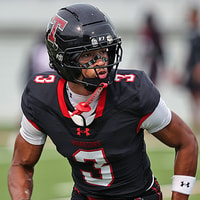 Rivals Football Recruiting
WR Darion Moseley backs off pledge to Arkansas, has Big Ten and SEC schools on his list
Rivals Football Recruiting
WR Darion Moseley backs off pledge to Arkansas, has Big Ten and SEC schools on his list
-
02
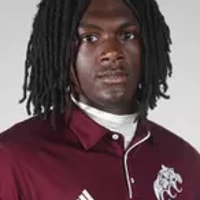 Maroon and White Football Recruiting
JUCO Edge Derion Gould sees the potential at Mississippi State
Maroon and White Football Recruiting
JUCO Edge Derion Gould sees the potential at Mississippi State
-
03
 Maroon and White Baseball
Mississippi State Biloxi baseball schedule altered by weather
Maroon and White Baseball
Mississippi State Biloxi baseball schedule altered by weather
-
04
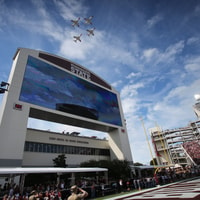 Maroon and White Football Recruiting
"Electric" Mississippi State atmosphere boosts big recruiting weekends
Maroon and White Football Recruiting
"Electric" Mississippi State atmosphere boosts big recruiting weekends
-
05
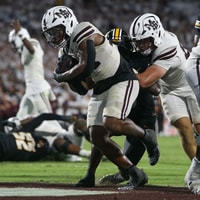 Maroon and White Football
Can Mississippi State's running game keep up?
Maroon and White Football
Can Mississippi State's running game keep up?