Is for so many of us who have season tickets for so long, in my case 30 years, and have sat through so many shall we say lean years and to not be able to witness what’s unfolding before our eyes is both heartbreaking for us fans but sad for the kids to not be able to celebrate their success with us but their fellow students!!
Most Frustrating Thing...
- Thread starter richthedentist
- Start date
You are using an out of date browser. It may not display this or other websites correctly.
You should upgrade or use an alternative browser.
You should upgrade or use an alternative browser.


I don't know if it is the Big policy or New Jersey at this point; I hope to have the first dose of the vaccine in the next two weeksHopefully they start allowing some fans at the games now that the vax is coming out.
I highly doubt the numbers improve enough in December-February to get fans in the stands. And our last home game is February 24.
Perhaps the team could do some kind of outdoor senior ceremony at Rutgers Stadium at some point.
Perhaps the team could do some kind of outdoor senior ceremony at Rutgers Stadium at some point.

I do not see any fans at games this season here or in the Big 10...but in the SEC and the Big 12 yes and some in the ACC
I just want to be back in my seats a few seats over from @RutgersRaRa
I feel ya', Dentist. But also unfortunate, with the Rutgers surge in football and basketball, is that the rest of the B1G isn't seeing what a great fanbase Rutgers has. The RAC would be crazy, the rest of the league wouldn't know what hit them when they came in. And this is coming from one of them...
Florida had 5,000 fans at their hoop game the other night. Amazing the disparity between the states, conferences, etc.I do not see any fans at games this season here or in the Big 10...but in the SEC and the Big 12 yes and some in the ACC
You sure about that 5,000 number? Or maybe the school?Florida had 5,000 fans at their hoop game the other night. Amazing the disparity between the states, conferences, etc.
From a Nov. 17, 2020 University of Florida Press release:
Florida will have a capacity of 2,200 for the 2020-21 men’s and women’s basketball season, a number arrived at in consultation with UF Health officials.
nope not happening, THEY still claim that they do not know that just because you have the vaccine that you cannot give Covid to others. Its their new mantra as a way to control. Therefore you will wear masks, limit your travel and social distance EVEN IF YOU TOOK THE VACCINE...its mind boggling I know but that is what is being pushed right now
You cannot give Covid to others if you have the vaccine just ask numbers!! It's not a live virusnope not happening, THEY still claim that they do not know that just because you have the vaccine that you cannot give Covid to others. Its their new mantra as a way to control. Therefore you will wear masks, limit your travel and social distance EVEN IF YOU TOOK THE VACCINE...its mind boggling I know but that is what is being pushed right now

Can't wait and with the continued improvement in recruiting we should be good for a while as long as Pikell is our coach!We should be just as good next year. Especially if Geo comes back. Our time in the sun is coming.
I doubt any of us will get to attend RU home games this season. After attending games for 49 years and having my season tickets for 32 years I really miss the games. I really hope that Geo and Jacob can both return next season and if so the games would be unbelievable if fans can attend once again. I certainly am looking forward as a senior citizen and one fighting cancer for 6 years to get the vaccine real soon and hopefully get to see the games in person again.
So true.Can't wait and with the continued improvement in recruiting we should be good for a while as long as Pikell is our coach!
Sadly though, the RAC crowds would have been awesome this season with this group of players. Long-suffering RU BBall fans deserved better.
Think geo, Johnson and Harper gone next year.We should be just as good next year. Especially if Geo comes back. Our time in the sun is coming.
See the crowd at Texas A&M tonight.You sure about that 5,000 number? Or maybe the school?
From a Nov. 17, 2020 University of Florida Press release:
Florida will have a capacity of 2,200 for the 2020-21 men’s and women’s basketball season, a number arrived at in consultation with UF Health officials.
I’m with you...season tickets since 1989Is for so many of us who have season tickets for so long, in my case 30 years, and have sat through so many shall we say lean years and to not be able to witness what’s unfolding before our eyes is both heartbreaking for us fans but sad for the kids to not be able to celebrate their success with us but their fellow students!!
I did not watch that game but I don't know what the TAMU crowd has to do with the attendance at UF.See the crowd at Texas A&M tonight.
You cannot give Covid to others if you have the vaccine just ask numbers!! It's not a live virus
Actually, that's not true. 5% of people getting either vaccine still developed symptomatic infections (not severe, except for 1 case) and the degree to which vaccinated people might become infected but asymptomatic and potentially infectious was not measured in either clinical trial. However, the Moderna trial did look at asymptomatic infections in the nose after the first shot and saw reductions vs. placebo, but the results are merely suggestive and not conclusive (not enough statistical power); Pfizer did not explore this, but given how similar results have been for both vaccines, one would expect them to share this element of performance.
But common sense says that a primed immune system ought to be able to prevent infections completely in more people than those who aren't vaccinated but get infected. That's why many think we'll still need distancing/masking for some time, but IMO, we're going to see case rates start to plummet by the end of January, after vaccinating most health care workers, LTC residents and a good chunk of front line workers and the elderly in general (plus we'll likely be near 30-35% of the general population having been infected and no longer infectious). If we see cases plummet by February, perhaps restrictions will be loosened for some events like sports, especially if one can show a record of vaccination. I hope so, as I really want to go to the NCAAs this year, given what happened last year.
Is there any recommendation for health care workers than to stay out of work? As I assume I will be back in the office treating patients?Actually, that's not true. 5% of people getting either vaccine still developed symptomatic infections (not severe, except for 1 case) and the degree to which vaccinated people might become infected but asymptomatic and potentially infectious was not measured in either clinical trial. However, the Moderna trial did look at asymptomatic infections in the nose after the first shot and saw reductions vs. placebo, but the results are merely suggestive and not conclusive (not enough statistical power); Pfizer did not explore this, but given how similar results have been for both vaccines, one would expect them to share this element of performance.
But common sense says that a primed immune system ought to be able to prevent infections completely in more people than those who aren't vaccinated but get infected. That's why many think we'll still need distancing/masking for some time, but IMO, we're going to see case rates start to plummet by the end of January, after vaccinating most health care workers, LTC residents and a good chunk of front line workers and the elderly in general (plus we'll likely be near 30-35% of the general population having been infected and no longer infectious). If we see cases plummet by February, perhaps restrictions will be loosened for some events like sports, especially if one can show a record of vaccination. I hope so, as I really want to go to the NCAAs this year, given what happened last year.
Spot on. That's why I'm hoping that we can go to a bowl in a state that allows some fans in the stadium. I believe the Charlotte, NC bowl is played in the Panthers stadium, which allows +-8K fans. It would great for as many of us as possible to cheer our boys on and show them in person how thrilled we are with their success this year. Saw a posting saying maybe the bowl in Maryland. I think the stadium is the Naval Academy one? If so, doubt they allow any fans there.Is for so many of us who have season tickets for so long, in my case 30 years, and have sat through so many shall we say lean years and to not be able to witness what’s unfolding before our eyes is both heartbreaking for us fans but sad for the kids to not be able to celebrate their success with us but their fellow students!!
You think Myles leaves eligibility on the table for grad school? When a shot at a National Championship is sitting there?Think geo, Johnson and Harper gone next year.
Or do you think he's going to the NBA?
I personally can't see either happening next year. I think he's back.
I think there's a good chance all three return. Myles and Baker aren't getting drafted in the next draft. Harper probably doesn't need the cash.
Brian Leonard came back and took RU to the edge of the BCS. These guys could take us to the Final 4.
@Mbash93 I just this post and am wondering where you sit—I don’t recognize the screen name. I’m with you though, as I am soooo looking forward to being able to go to games again.I just want to be back in my seats a few seats over from @RutgersRaRa
Why can't they take us to the final four this year?You think Myles leaves eligibility on the table for grad school? When a shot at a National Championship is sitting there?
Or do you think he's going to the NBA?
I personally can't see either happening next year. I think he's back.
I think there's a good chance all three return. Myles and Baker aren't getting drafted in the next draft. Harper probably doesn't need the cash.
Brian Leonard came back and took RU to the edge of the BCS. These guys could take us to the Final 4.
nope not happening, THEY still claim that they do not know that just because you have the vaccine that you cannot give Covid to others. Its their new mantra as a way to control. Therefore you will wear masks, limit your travel and social distance EVEN IF YOU TOOK THE VACCINE...its mind boggling I know but that is what is being pushed right now
Everyone listen to BAC, who has been wrong about everything about the pandemic going back to February.
So, so true.Everyone listen to BAC, who has been wrong about everything about the pandemic going back to February.
So do those whose lost their lives under Covid 19. Enough already!So true.
Sadly though, the RAC crowds would have been awesome this season with this group of players. Long-suffering RU BBall fans deserved better.
@Mbash93 I just this post and am wondering where you sit—I don’t recognize the screen name. I’m with you though, as I am soooo looking forward to being able to go to games again.
Message me privately and ill let you know exactly.
@Mbash93 I just this post and am wondering where you sit—I don’t recognize the screen name. I’m with you though, as I am soooo looking forward to being able to go to games again.
If you are who I think you are (don, I think, normally wear a red hat. Sit front row behind ru bench?) I'll be about 5 seats to you're left.
You've got me wrong. I was just venting about all that was lost because of the Covid restrictions.So do those whose lost their lives under Covid 19. Enough already!
I'm completely in favor of serious restrictions on large gatherings during the pandemic.
I think Johnson already said he's been accepted and is looking forward to being in the Rutgers Masters program in Engineering next year. And playing basketballThink geo, Johnson and Harper gone next year.
Latest
-
01
 The Knight Report
Which Rutgers Women's Basketball players will attend Big Ten Media Days?
The Knight Report
Which Rutgers Women's Basketball players will attend Big Ten Media Days?
-
02
 On3 Football
College sports bill facing pressure in the House: 'We won’t pass language to blow up the ACC'
On3 Football
College sports bill facing pressure in the House: 'We won’t pass language to blow up the ACC'
-
03
 The Knight Report Football
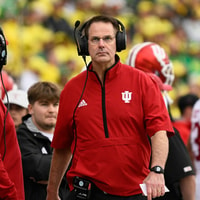
Behind Enemy Lines: An inside look at the Indiana Hoosiers
The Knight Report Football
Behind Enemy Lines: An inside look at the Indiana Hoosiers
-
04
 On3 Football
Inside college football’s looming contract fight: Why player buyouts are about to take center stage
On3 Football
Inside college football’s looming contract fight: Why player buyouts are about to take center stage
-
05
 The Knight Report
Rutgers Football Wednesday Injury Report: Latest Updates ahead of the Indiana game
The Knight Report
Rutgers Football Wednesday Injury Report: Latest Updates ahead of the Indiana game