It's debate week!
- Thread starter Keyser76
- Start date
You are using an out of date browser. It may not display this or other websites correctly.
You should upgrade or use an alternative browser.
You should upgrade or use an alternative browser.
I think it's kinda unfair to take the top 10 in the polls and then have the rest on a separate night as if they're the minor leagues. If the campaign had been going on awhile then maybe that would be justified but there hasn't even been one debate yet and the bottom 8 or so are being stigmatized.
They should have just randomly divided the field into two groups and had two debates one night after the other. And keep doing that with a debate every few weeks until the field is whittled down.
To generate interest they could have even had a drawing where they draw the names for the debate list.
They should have just randomly divided the field into two groups and had two debates one night after the other. And keep doing that with a debate every few weeks until the field is whittled down.
To generate interest they could have even had a drawing where they draw the names for the debate list.
I think it would be consistent with the kind of candidates the GOP is putting up, to have them all on the stage and have a debate a week. Ask all 20 or so of them the same questions. At the end of the debate, the Fox viewers get to vote one off the stage each week.Can't wait to watch the Donalds and Foxs latest reality show!
I think it would be consistent with the kind of candidates the GOP is putting up, to have them all on the stage and have a debate a week. Ask all 20 or so of them the same questions. At the end of the debate, the Fox viewers get to vote one off the stage each week.
So in other words, it'd be like The Apprentice except that instead of Donald Trump being the one to get to say "You're fired" it would be the Fox viewers saying it. And one of the people they'd be saying it to would be Donald Trump.
It occurs to me that if Trump eventually loses and drops out of the race the headlines the next day are going to be "American voters to Trump: You're Fired."
LMAO. Should they all get participation ribbons too? Good grief.I think it's kinda unfair to take the top 10 in the polls and then have the rest on a separate night as if they're the minor leagues. If the campaign had been going on awhile then maybe that would be justified but there hasn't even been one debate yet and the bottom 8 or so are being stigmatized.
They should have just randomly divided the field into two groups and had two debates one night after the other. And keep doing that with a debate every few weeks until the field is whittled down.
To generate interest they could have even had a drawing where they draw the names for the debate list.
When will MSNBC host one for the DNC? or are they trying to protect Hillary?Can't wait to watch the Donalds and Foxs latest reality show!
Just sayin' that the 2nd tier should be given 2nd tier status because the people saw them and didn't like them rather than because they don't have a big name to start with and because there are so many candidates that it's hard to get media time if you're not already a big name. I don't really think it's that big of stretch.
Participation medals are prizes just for participating. I'm not advocating that, rather I'm advocating giving all participants a fair shot.
Participation medals are prizes just for participating. I'm not advocating that, rather I'm advocating giving all participants a fair shot.
That is Coop's best ever.LMAO. Should they all get participation ribbons too? Good grief.
I am sure all the libs on the site are offering their best solution to aid the presentation of the Repub candidates for the office.
We do every single day. Just put a mic in front of Trump's mouth. Real simple.
You have to keep in mind that he is not trying to appease the liberals. His target is conservative and indys tired of the current program.We do every single day. Just put a mic in front of Trump's mouth. Real simple.
I'll try! lolYou have to keep in mind that he is not trying to appease the liberals. His target is conservative and indys tired of the current program.
These are the rules for the first debate. I believe that the second GOP debate is scheduled to run with the full slate of candidates on the panel. I'm not sure how you learn much about any of them with 10 or 16 on the stage. I don't know how long the debate is supposed to run, but let's say they give them 2 hours, and they keep the introduction of the candidates on the satge to a minimum, say 15 seconds. Consider that opening remarks are usually 2 minutes per candidate - you are 22.5 minutes into the first debate before the first question is asked. You're going to have closing statements also, probably another 2 minutes per candidate - 20 more minutes. Now you have 77.5 minutes to get through the debate - say 1 minute per question, 2 minutes per primary response, and one rebutal response per question of 1 minute, i.e. 4 minutes per question - that's 19 questions if you skip closing statements and no one runs over time. Factor in the fact that everyone goes over their allotted time, and you'll likely have at least 2 rebutals, and you come pretty close to 1 question per candidate with 10 on the stage - less than that when all 16 are up there.Just sayin' that the 2nd tier should be given 2nd tier status because the people saw them and didn't like them rather than because they don't have a big name to start with and because there are so many candidates that it's hard to get media time if you're not already a big name. I don't really think it's that big of stretch.
Participation medals are prizes just for participating. I'm not advocating that, rather I'm advocating giving all participants a fair shot.
These are the rules for the first debate. I believe that the second GOP debate is scheduled to run with the full slate of candidates on the panel. I'm not sure how you learn much about any of them with 10 or 16 on the stage. I don't know how long the debate is supposed to run, but let's say they give them 2 hours, and they keep the introduction of the candidates on the satge to a minimum, say 15 seconds. Consider that opening remarks are usually 2 minutes per candidate - you are 22.5 minutes into the first debate before the first question is asked. You're going to have closing statements also, probably another 2 minutes per candidate - 20 more minutes. Now you have 77.5 minutes to get through the debate - say 1 minute per question, 2 minutes per primary response, and one rebutal response per question of 1 minute, i.e. 4 minutes per question - that's 19 questions if you skip closing statements and no one runs over time. Factor in the fact that everyone goes over their allotted time, and you'll likely have at least 2 rebutals, and you come pretty close to 1 question per candidate with 10 on the stage - less than that when all 16 are up there.
I'm not sure I could handle watching anything political for 2 hours, lol.
These are the rules for the first debate. I believe that the second GOP debate is scheduled to run with the full slate of candidates on the panel. I'm not sure how you learn much about any of them with 10 or 16 on the stage. I don't know how long the debate is supposed to run, but let's say they give them 2 hours, and they keep the introduction of the candidates on the satge to a minimum, say 15 seconds. Consider that opening remarks are usually 2 minutes per candidate - you are 22.5 minutes into the first debate before the first question is asked. You're going to have closing statements also, probably another 2 minutes per candidate - 20 more minutes. Now you have 77.5 minutes to get through the debate - say 1 minute per question, 2 minutes per primary response, and one rebutal response per question of 1 minute, i.e. 4 minutes per question - that's 19 questions if you skip closing statements and no one runs over time. Factor in the fact that everyone goes over their allotted time, and you'll likely have at least 2 rebutals, and you come pretty close to 1 question per candidate with 10 on the stage - less than that when all 16 are up there.
The 3rd debate......
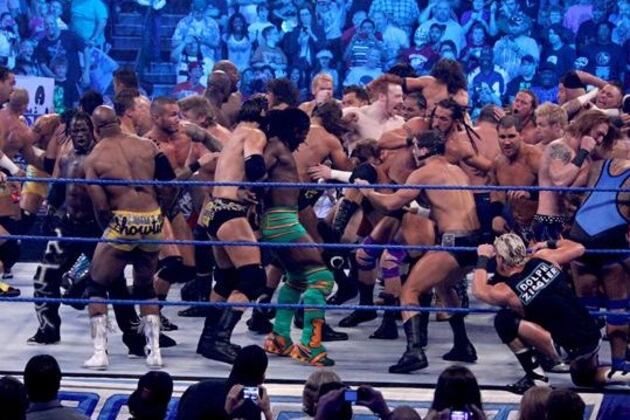
These are the rules for the first debate. I believe that the second GOP debate is scheduled to run with the full slate of candidates on the panel. I'm not sure how you learn much about any of them with 10 or 16 on the stage. I don't know how long the debate is supposed to run, but let's say they give them 2 hours, and they keep the introduction of the candidates on the satge to a minimum, say 15 seconds. Consider that opening remarks are usually 2 minutes per candidate - you are 22.5 minutes into the first debate before the first question is asked. You're going to have closing statements also, probably another 2 minutes per candidate - 20 more minutes. Now you have 77.5 minutes to get through the debate - say 1 minute per question, 2 minutes per primary response, and one rebutal response per question of 1 minute, i.e. 4 minutes per question - that's 19 questions if you skip closing statements and no one runs over time. Factor in the fact that everyone goes over their allotted time, and you'll likely have at least 2 rebutals, and you come pretty close to 1 question per candidate with 10 on the stage - less than that when all 16 are up there.
You lost me somewhere, can you make a chart or something?
