I imagine everyone simply expected the court to tell him to take a hike. Objectively, it should’ve been summary judgement. There’s no case. The disease of alcoholism does not get you out of punishments for breaking rules or laws related to drinking. Pete Rose was hit with a lifetime ban from MLB for this exact issue. Precedent upon precedent of past decisions say as much.
Now I’m not saying there couldn’t be some discretion down the road after a year of rehabilitation and serving a notable punishment. That’s a different debate with pros and cons. I think everyone trusted the court to be reasonable and objective. Unfortunately it was not.
You are mixing apples (TROs) and oranges (summary judgment). This was a TRO type of hearing--it was actually a motion by Sorsby for a temporary injunction. TROs are governed primarily by FRCP Rule 65 (or state equivalents like California CCP § 527 or similar rules). It provides short-term emergency relief (often 14 days or less, sometimes ex parte/without notice) to prevent immediate and irreparable harm while the case proceeds. The movant must show a likelihood of success on the merits, likelihood of irreparable harm absent relief, balance of equities, and (in federal court) public interest. A "temporary injunction" is the direct next step after (or sometimes used interchangeably in casual reference with) a TRO, and both are forms of preliminary injunctive relief.
- TRO (Temporary Restraining Order): Usually granted ex parte (without notice or a full hearing) in true emergencies. It lasts a very short time (typically up to 14 days, extendable). Its main job is to hold things in place until a hearing can occur.
- Temporary Injunction (what Sorsby received): Granted after notice and a hearing (both sides had input). It lasts longer — often until final judgment or further court order. This fits the Sorsby timeline (hearing → ruling allowing eligibility for the season)
From a law firm website.
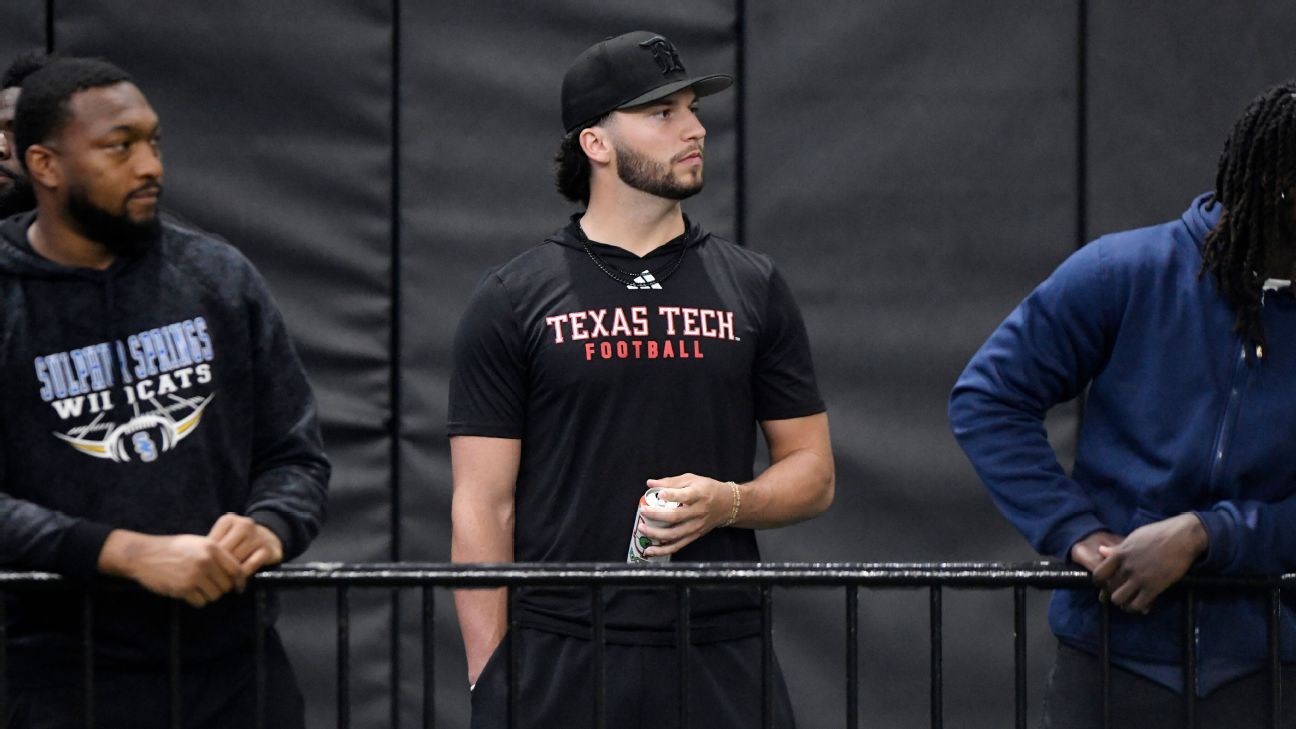
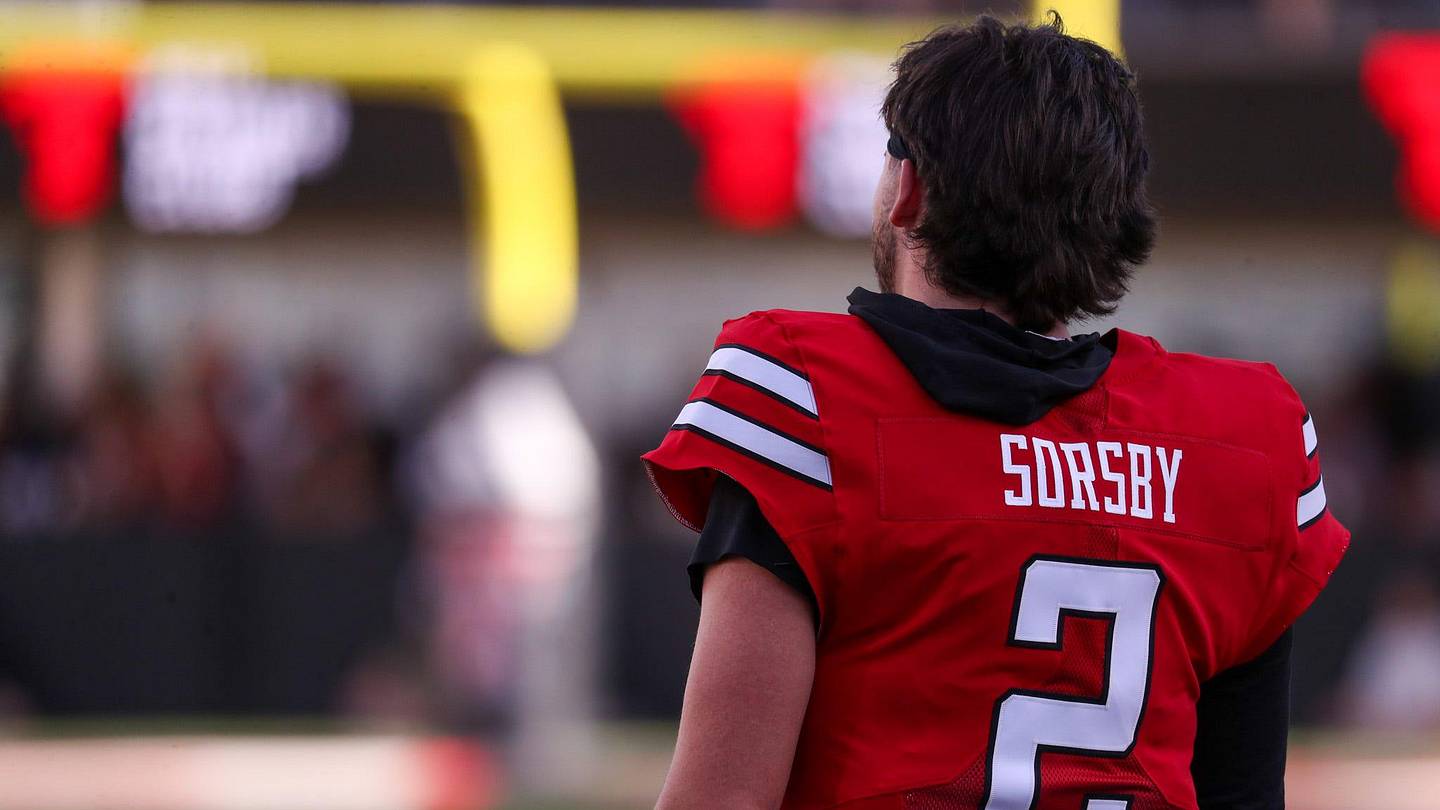
Judge Curry’s four-page order finds that Sorsby demonstrated
a probable right to relief on his claims for breach of contract, declaratory judgment, breach of the duty of good faith and fair dealing, and breach of fiduciary duty. The court concluded that Sorsby w
ould suffer “probable, imminent, and irreparable injury” without injunctive relief because he would lose access to elite coaching, training resources, and the ability to make an informed decision about the 2026 NFL Supplemental Draft. The injunction is conditioned on Sorsby’s compliance with six specific requirements, including ongoing clinical counseling for gambling disorder, participation in Gamblers Anonymous or a comparable peer-support community, treatment for Adjustment Disorder with Anxiety, engagement with athlete-specific recovery mentorship, a two-game suspension from game-day activities, and monthly confidential compliance reports served on the NCAA through counsel. The order became effective immediately upon posting of a $5,000 surety bond and remains in force until final judgment or further order of the court.
THIS IS WILD!!
What makes the order structurally unusual, however, is its second operative paragraph. In addition to prohibiting the NCAA from blocking Sorsby’s participation, the order expressly enjoins the NCAA from enforcing “its Bylaw 12.9.4.2 (Rule of Restitution) against Applicant, Texas Tech, any affiliate of Texas Tech, any university that competes against Texas Tech during the 2026 college football season, or any affiliate of any such university for complying with, and relying on this Order.” The breadth of that language has been largely overlooked. It deserves sustained analysis.
Why the Sorsby Order Goes Further
Each of those prior orders addressed the Rule of Restitution in terms that protected the plaintiff and, in some instances, the plaintiff’s institution. Judge Curry’s order in
Sorsby does something materially different. By expressly extending the injunction’s shield to “any university that competes against Texas Tech during the 2026 college football season, or any affiliate of any such university,” the order neutralizes the Restitution Rule’s chilling effect on the entire competitive ecosystem surrounding Texas Tech.
Consider the practical implications. Texas Tech competes in the Big 12 Conference. Its 2026 schedule includes games against at least 10 conference opponents, plus non-conference matchups. Under the Restitution Rule, any of those institutions could theoretically face retroactive punishment for playing against a team that included an ineligible player — even though those institutions had no role in the underlying litigation and no ability to refuse the competition. By forbidding the NCAA from wielding the Rule of Restitution against those third-party institutions, Judge Curry has eliminated the scenario in which the NCAA could indirectly coerce compliance by threatening Texas Tech’s opponents. That is a significant structural intervention into NCAA governance, and one that reflects a growing judicial skepticism about the proportionality and legality of the Restitution mechanism.
Breach of Contract as the Backbone
The legal theory underlying the
Sorsby injunction also merits attention. Unlike many recent NCAA eligibility challenges —
Pavia4,
Robinson,
Moore, and their progeny — Sorsby’s claims do not rest on federal antitrust law. They are grounded entirely in state-law contract theories: breach of contract, declaratory judgment, breach of the duty of good faith and fair dealing, and breach of fiduciary duty. This approach mirrors the strategy employed in
Chambliss v. NCAA in Mississippi, where a state court found that the NCAA breached its duty of good faith and fair dealing to a student-athlete as a third-party beneficiary of the contracts between the NCAA and its member institutions.
5
The contract-based framework has several tactical advantages. It avoids the complexity of Sherman Act analysis — the burden-shifting test under the Rule of Reason, the threshold question of whether a challenged rule is commercial in nature, and the difficult market-definition inquiries that have bedeviled plaintiffs in cases like
Robinson on appeal. It allows the case to be litigated in state court, where preliminary injunctive relief may be more accessible and where the NCAA lacks the procedural tools available in federal court. And it reframes the NCAA’s relationship with student-athletes as fundamentally contractual, which creates leverage for future claims across a wide range of enforcement contexts.
Judge Curry’s finding that Sorsby demonstrated a “probable right to the relief he seeks” on these contract theories is notable. It implies that the court views the NCAA’s bylaws — at least as applied to gambling penalties — as giving rise to enforceable contractual obligations that the NCAA may not apply arbitrarily or in bad faith. If that theory survives a full trial, it could reshape how student-athletes across the country challenge not only gambling-related sanctions, but any NCAA disciplinary action perceived as disproportionate or inconsistently applied.