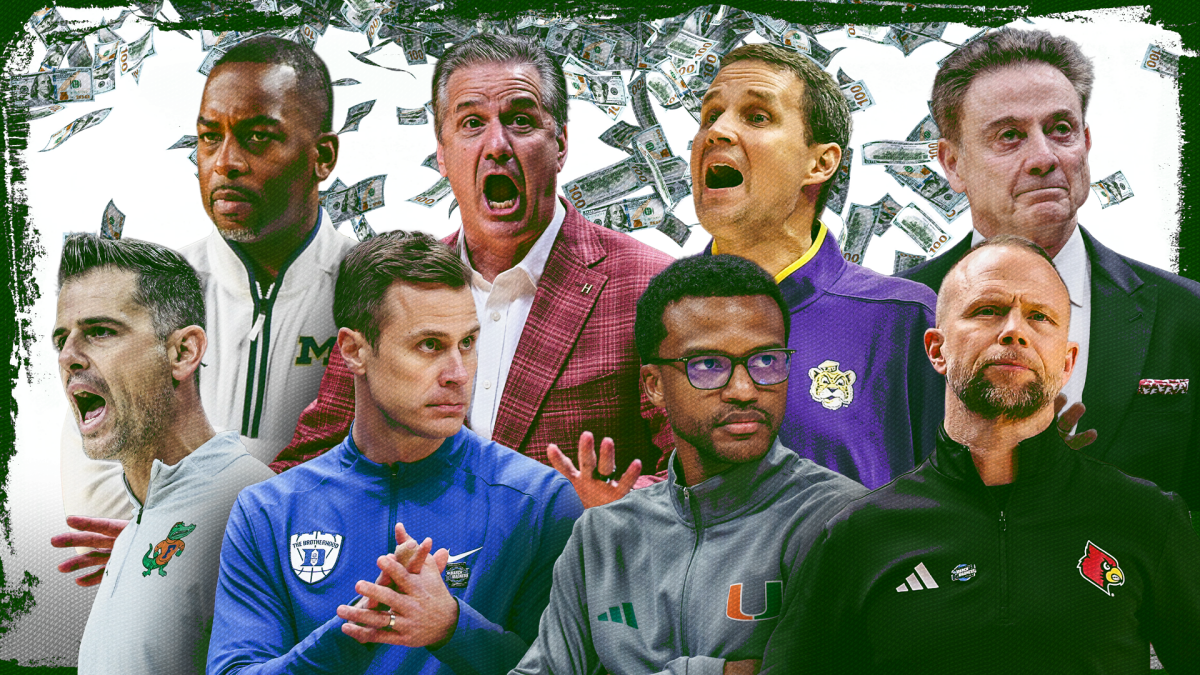
$13.5 million is the average number across all 79 Power 5 programs, plus Gonzaga, which has operated as a high-major outfit for well over a decade.
Preseason #1 Florida and its huge retention situation with All-American Thomas Haugh (who comfortably projects as the highest earner sport), DPOY Rueben Chinyelu, All-SEC forward Alex Condon and Co. have a collective valuation north of $25 million
Last season there were only two teams believed to be operating at $20 million-plus: Kentucky and (maybe) Louisville; 2026 seriously escalated college basketball's spending ceiling.
A year ago, the average price of a power-conference squad was in the realm of $7 million. But for the fourth straight offseason, the open market spiked yet again, leading to the most unruly portal frenzy yet. Numerous big-man-needy teams entered free agency with $4 million earmarked for a star center. That wasn't enough. Many of the best bigs in free agency earned close to a $5 million payday. Elite guards and wings usually commanded a price that encroached on $4 million. The market was further sent into commotion in the summer when dozens upon dozens of players sued for a fifth year of eligibility after an NCAA rule change in late June exposed them to (still very much ongoing) litigation.
The season is less than two weeks away. We still don't know which players who have lawyered up will win out.
With those circumstances in mind, our ambitious endeavor to uncover the NIL capacities at every high-major program had a few stipulations and non-negotiables. The first was how we defined the terms that place each program into one of our seven spending tiers. Every school listed is based on the hypothetical that every player who is trying to get eligible as of Oct. 21 will remain eligible.
Very important context: There are a lot of schools that would drop down a tier if they didn't wind up having to pay these fifth-year guys. But they are financially tied to paying them for now, so they have been slotted into their appropriate levels.
Additionally, some schools have incentives in their player contracts, though the structure of those incentives and the amounts vary wildly depending on the player. Nevertheless, if a school is in a position to reward its players with incentives and ultimately would have to pay those bonuses at the end of the season, that cost was also added to every program's total.
CBS Sports' sourcing is based on conversations (and longstanding relationships) with head coaches, assistants, athletic directors, general managers, agents and even some third-party consultants who have access to teams' NIL contracts. In some instances, sources provided a team's spending ledger under the agreement that documents and/or screenshots would not be shared to anyone else.
There are definitely a group of schools listed below that are believed by their competition to be operating with a budget that's 10%, 15%, even 20% larger than where we've slotted them. In many cases, we independently double-sourced a school's number. Sometimes a coach would give one number, and we would discreetly reach out to another person in an athletic department to verify. There were only a few instances when the number wasn't effectively the same. In those instances, we did our diligence and further vetted the information. There were only two cases where two numbers were not in alignment (the difference being more than $1.5 million but less than $2.5 million). We took the higher number both times.
More than half of the programs provided an exact number on background. Most others gave a narrow range they fell into. From there, we were able to compile a reasonably accurate listing of all 80 schools.
And from that list, we have an approximate average cost of every roster at the high-major level for the upcoming season. The SEC is comfortably No. 1, with the basketball-first Big East firmly taking second place in the spending hierarchy.

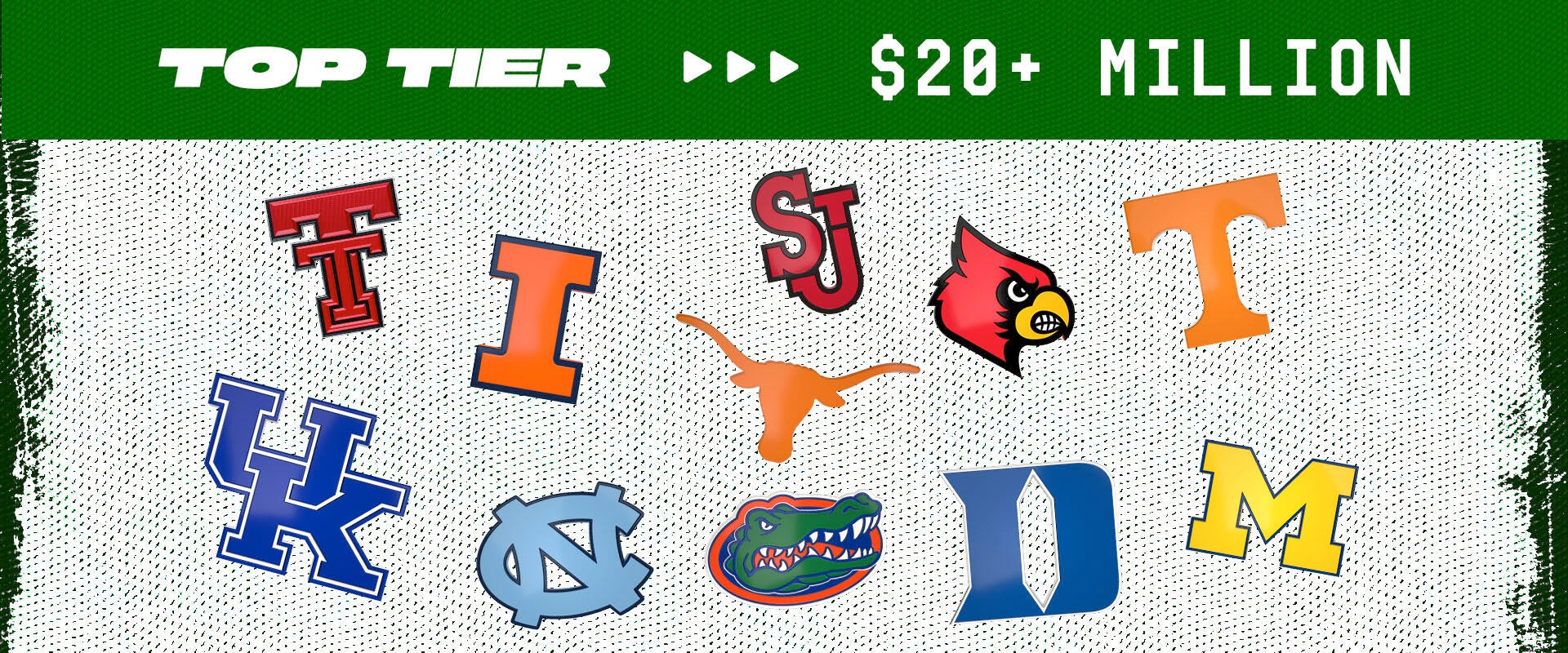
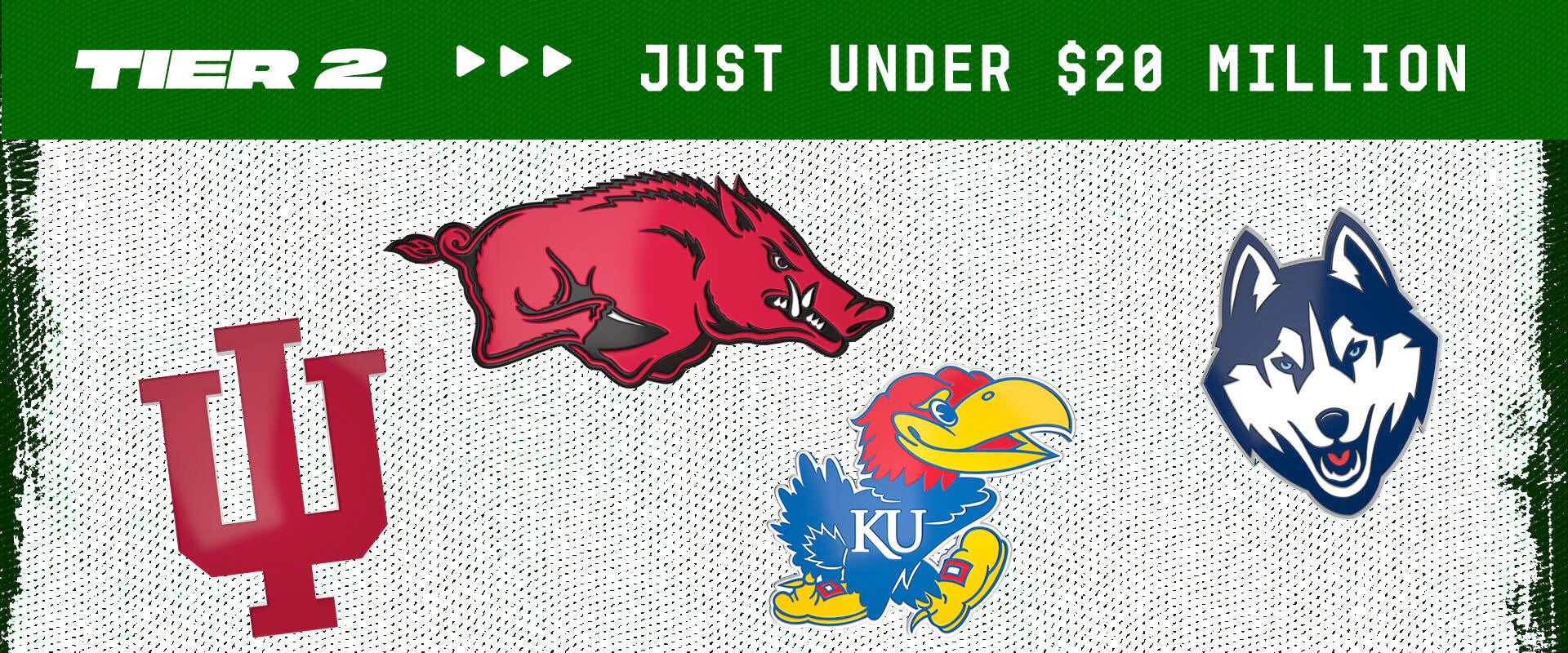
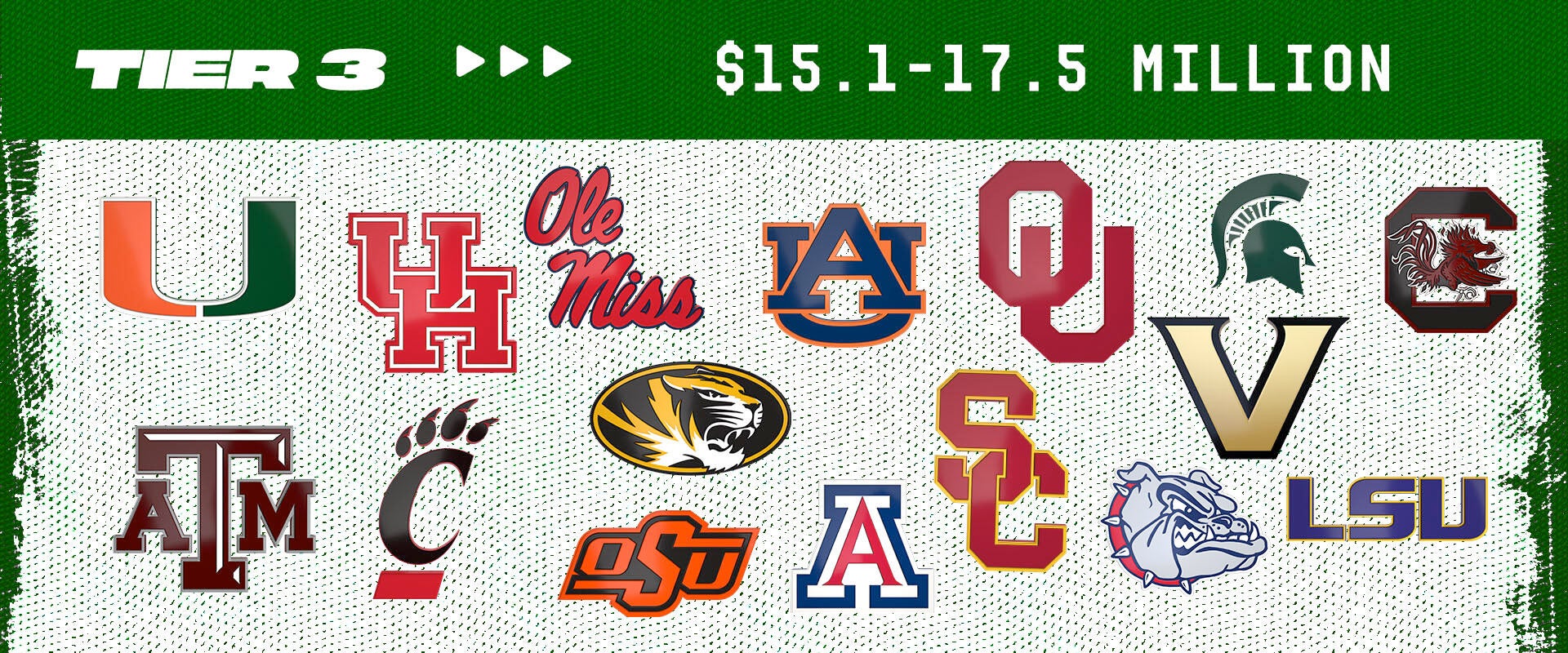
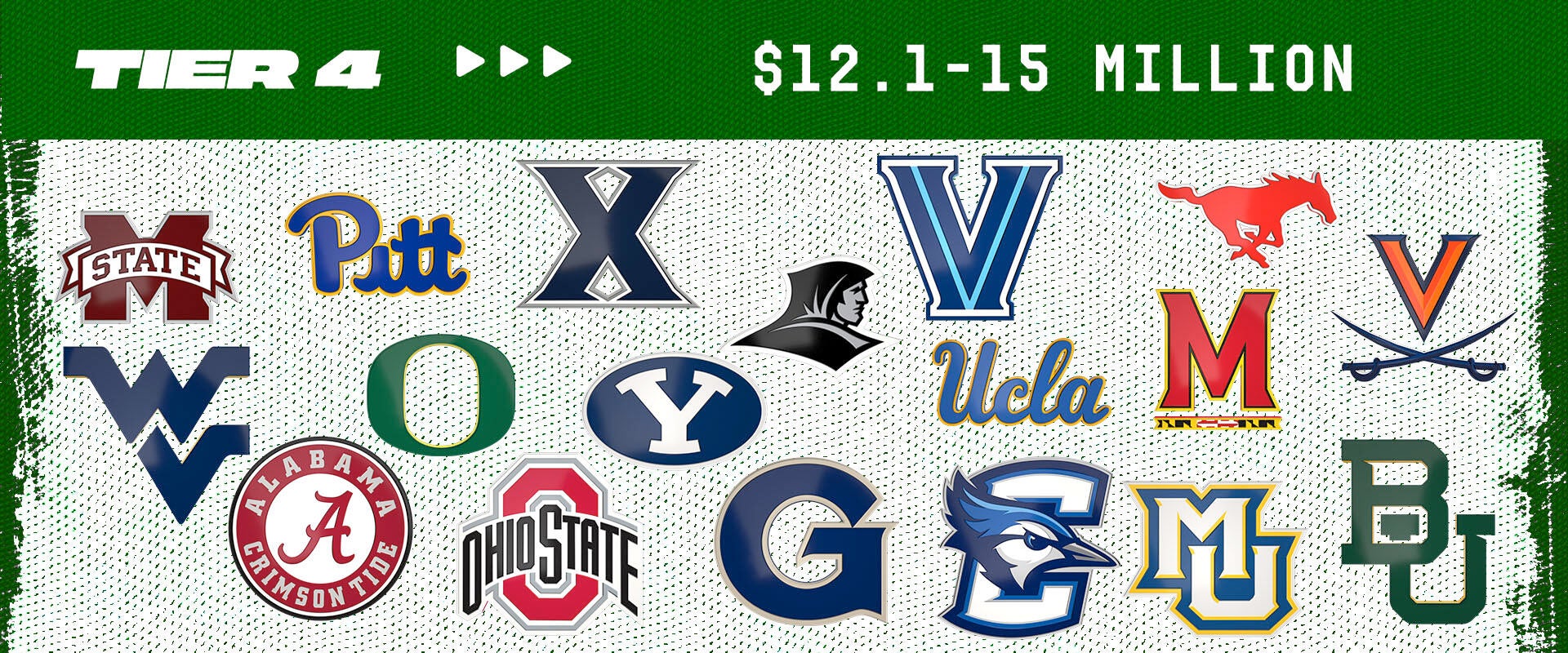
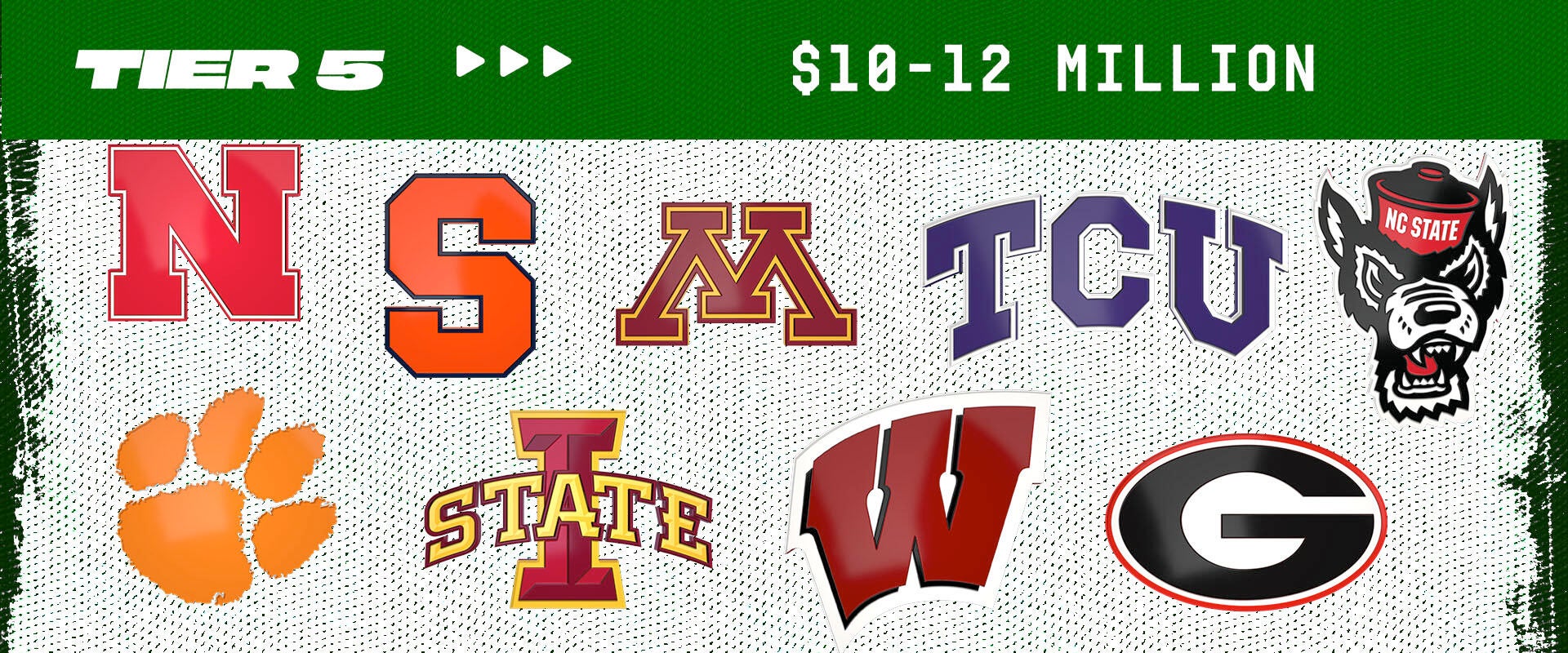
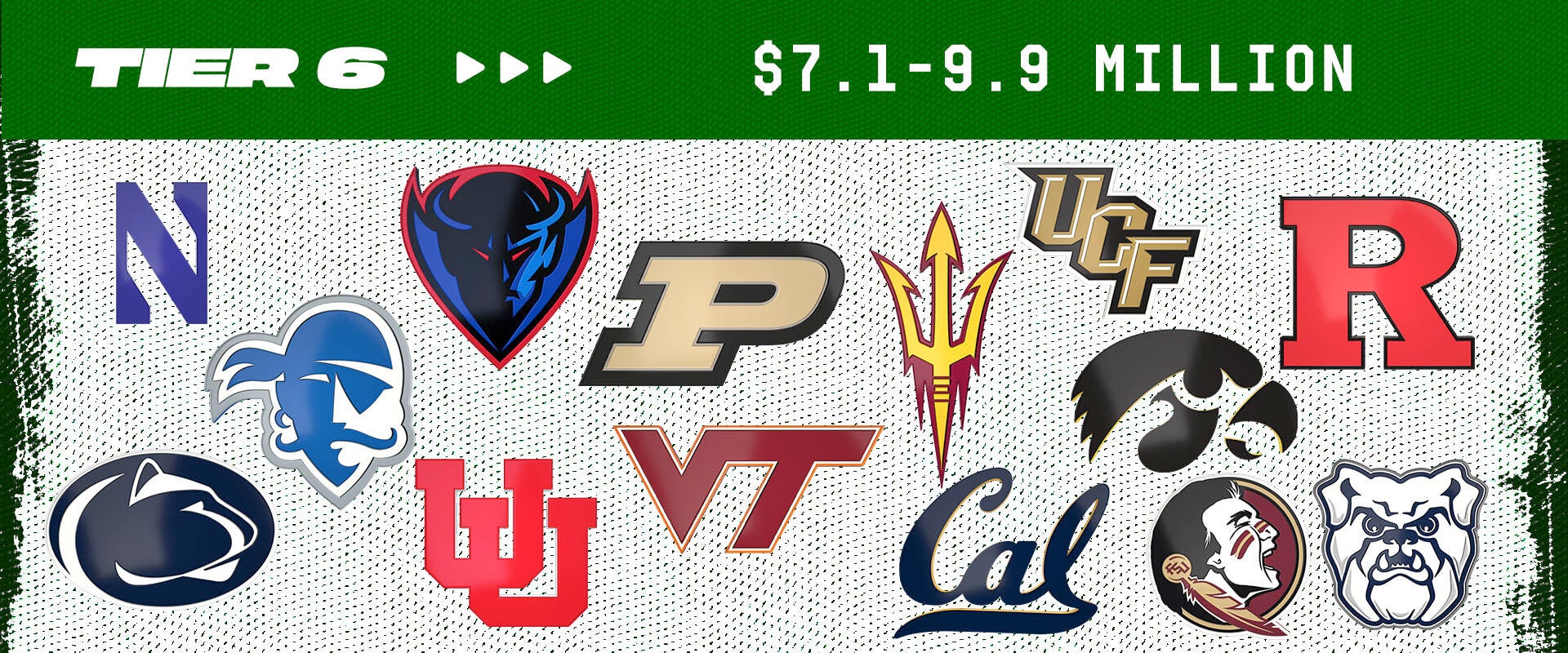
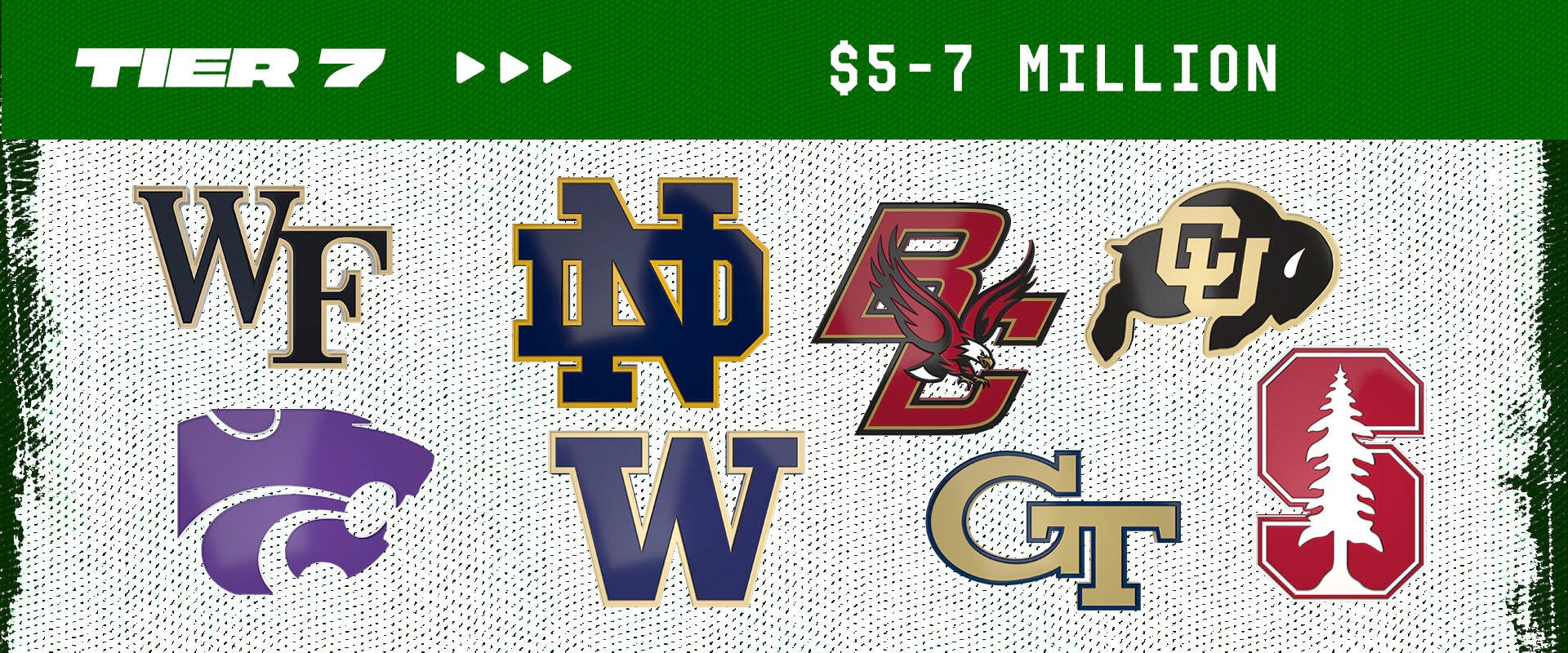
Here is where every school slots on spending in men's basketball for the 2026-27 season.
Preseason #1 Florida and its huge retention situation with All-American Thomas Haugh (who comfortably projects as the highest earner sport), DPOY Rueben Chinyelu, All-SEC forward Alex Condon and Co. have a collective valuation north of $25 million
Last season there were only two teams believed to be operating at $20 million-plus: Kentucky and (maybe) Louisville; 2026 seriously escalated college basketball's spending ceiling.
A year ago, the average price of a power-conference squad was in the realm of $7 million. But for the fourth straight offseason, the open market spiked yet again, leading to the most unruly portal frenzy yet. Numerous big-man-needy teams entered free agency with $4 million earmarked for a star center. That wasn't enough. Many of the best bigs in free agency earned close to a $5 million payday. Elite guards and wings usually commanded a price that encroached on $4 million. The market was further sent into commotion in the summer when dozens upon dozens of players sued for a fifth year of eligibility after an NCAA rule change in late June exposed them to (still very much ongoing) litigation.
The season is less than two weeks away. We still don't know which players who have lawyered up will win out.
With those circumstances in mind, our ambitious endeavor to uncover the NIL capacities at every high-major program had a few stipulations and non-negotiables. The first was how we defined the terms that place each program into one of our seven spending tiers. Every school listed is based on the hypothetical that every player who is trying to get eligible as of Oct. 21 will remain eligible.
Very important context: There are a lot of schools that would drop down a tier if they didn't wind up having to pay these fifth-year guys. But they are financially tied to paying them for now, so they have been slotted into their appropriate levels.
Additionally, some schools have incentives in their player contracts, though the structure of those incentives and the amounts vary wildly depending on the player. Nevertheless, if a school is in a position to reward its players with incentives and ultimately would have to pay those bonuses at the end of the season, that cost was also added to every program's total.
CBS Sports' sourcing is based on conversations (and longstanding relationships) with head coaches, assistants, athletic directors, general managers, agents and even some third-party consultants who have access to teams' NIL contracts. In some instances, sources provided a team's spending ledger under the agreement that documents and/or screenshots would not be shared to anyone else.
There are definitely a group of schools listed below that are believed by their competition to be operating with a budget that's 10%, 15%, even 20% larger than where we've slotted them. In many cases, we independently double-sourced a school's number. Sometimes a coach would give one number, and we would discreetly reach out to another person in an athletic department to verify. There were only a few instances when the number wasn't effectively the same. In those instances, we did our diligence and further vetted the information. There were only two cases where two numbers were not in alignment (the difference being more than $1.5 million but less than $2.5 million). We took the higher number both times.
More than half of the programs provided an exact number on background. Most others gave a narrow range they fell into. From there, we were able to compile a reasonably accurate listing of all 80 schools.
And from that list, we have an approximate average cost of every roster at the high-major level for the upcoming season. The SEC is comfortably No. 1, with the basketball-first Big East firmly taking second place in the spending hierarchy.
- The Big Ten would be #2 if not for having one-third of its league limited to less than $10 million in spending in men's basketball. While some programs have definitely improved their year-over-year standing relative to where they ranked nationally a year ago, there's still a lot of places that are hitting a fiscal ceiling that could be reflected in the year-end standings.
Here is where every school slots on spending in men's basketball for the 2026-27 season.
Last edited: