Supplied to you in post #44 in this thread. When you supplied the high estimate of Iowa NIL. And low estimate of Rutgers.What is it? Not maybe, not around, not might be. How much are we paying football players this season? Total rev share to players for this season and total NIL to players this season? For this season!!! Not the future, now!
What’s the big not sure, kind of, hush, hush? You say Schiano had the money to get players for this season, HOW MUCH??
Hey Al…..
- Thread starter AreYouNUTS
- Start date
You are using an out of date browser. It may not display this or other websites correctly.
You should upgrade or use an alternative browser.
You should upgrade or use an alternative browser.

Apples and oranges, really.Do you think I am happy with Greg? I am not.
Flood couldn’t recruit and once the GS recruits tailed off he has a big problem
Plus the Flood in a disguise trying to get favors for players is a disgrace .
I want GS gone but I will give him credit for being scandal free at RU.
IMO, Flood new he was f'd from day one with the the sorry excuse for a PC AD Rutgers hired. Barchi could not give a single fluck about football and athletics. So, he did the best he could and mailed it in. There was a non-stop circus sideshow of Julie f ups and then the Mike Rice fiasco. He had no funds for recruiting travel like Greg has always had, and he was swimming against a tide of pollution. He knew it was going to be a Long December and spent his time at Counting Crows concerts. As far as the disguise thing- it was brilliantly hilarious and a desperation move to save his best player. At an SEC school it would not even be small potatoes.
Greg's year 6 and 7 performance is a bigger disgrace than Flood's silly folly to keep his best defensive player on the team.

I didn't mean "misappropriating funds." I meant categorizing expenditures (that they were fully authorized to make) in a way that hides their true nature.Yea I guess when you said “cooking the books” you didn’t mean misappropriating funds. Gotcha.
If I continue to express my opinion, are you going to threaten to hit me with your purse?I’m dying over here at the guys (OR the same guy) who are trying to claim that we are not spending what we say.we are spending..BOTTOM LINE
until you can prove your false narratives are true you should just shut the fyck up and stop spouting off your opinions (which have absolutely no factual backing whatsoever) AS IF they’re true. Just sit back down at the kiddie table.
You can love Gregg all you want, that’s fine and it’s your choice, but that doesn’t mean you after just continue to make **** up.
Have a nice day.
That's fascinating.You really need to stop. You don't even understand the various payment mechanics. There is no such thing as "rev share going to NIL payments". They are two completely separate buckets of potential compensation to athletes. NIL is company related. Rev share is direct payment via school to players. It's a fact we are compensating athletes at Rutgers to the maximum current level which is $20.5MM. The NIL raised is in addition to that.
QUESTION: Why does the Big Ten and other Big Ten schools refer to the revenue sharing money as NIL payments?
LINK 1
"On December 2, Xavier and Wisconsin Athletics entered into a binding two-year NIL agreement reflecting his strong commitment to continuing with the Wisconsin football program. We understand that he also executed a similar agreement with the Varsity Collective. His agreement with Wisconsin Athletics included substantial financial compensation for Xavier. Under the terms of the agreement between Xavier and Wisconsin Athletics, it remains in effect and enforceable..."
LINK 2
"I have seen many one-sided “#NIL revenue-sharing” contracts from Big Ten schools this cycle. They use the same form provided by the conference. It’s ludicrous that they put in bold writing: “The Institution in its discretion may, at any time, adjust the Consideration to reflect an increase or decrease in the Athlete's NIL value (e.g., a Heisman Trophy win may increase the NIL value and reduced playing time may decrease the NIL value).”
LINK 3
"However, two other lawyers familiar with revenue-sharing MOUs (Memorandum of Understanding) for Big Ten athletes say the language is consistent with agreements they have reviewed."
"At its core, the MOU is an intellectual property transaction. The school is buying a license to use the athlete’s NIL and the associated right to sublicense the athlete’s NIL to third parties. The athlete accepts they do not gain a right to royalties or additional payments in the event of a sublicense."
"The main NIL concession gives schools a license to use an athlete’s “name, nickname, pseudonym, voice, signature, caricature, likeness, image, picture, portrait, quotes, statements, writings, identifiable biographical information, other identifiable features, and any other indicia of personal identity” such as jersey number or social media handle, according to the document. Those rights can be sublicensed to the Big Ten, NCAA or any other third party, and continue after an athlete is no longer at the school, though not for use to sell goods and services. (Athletes can continue to enter personal NIL deals outside this agreement, but those deals must comply with the revenue-sharing MOU and must be reported to the school). "
"The linkage between play and NIL is also apparent in how the MOU addresses a player transferring. The school agrees to “take reasonable steps not to actively use the Athlete’s NIL” after the athlete plays for another team. The school, however, stresses it can “sell-off” products with the athlete’s NIL and reserves the right to use the NIL for archival purposes and historical signage. "
-----------------------
Now, granted, I only got my law degree 25 years ago, so I wasn't really taking classes on sports likeness rights. But if I remember correctly, some of my courses (you know, like probably first year contracts) suggested that the EXPRESS LANGUAGE IN THE CONTRACT TERMS could be used to infer what the nature of the contract was focused on. But again, I'm just a simple country lawyer ... perhaps you could use your fancy book-learnin' (as well as your extensive insider contacts) to explain how the Big Ten seven-page model NIL revenue sharing agreement does not concern "rev share going to NIL payments."
We all await this knowledge with bated breath.
Yea you said that in the quote I posted above. And then right after saying that you said “cooking the books” which is nefarious in nature. Implying misappropriation of funds. You should know this “counselor”.I didn't mean "misappropriating funds." I meant categorizing expenditures (that they were fully authorized to make) in a way that hides their true nature.

You do know you linked 3 articles that are dated before the official start of the house settlement agreement? These contracts were all pretty much blown up as of June 25, 2025.That's fascinating.
QUESTION: Why does the Big Ten and other Big Ten schools refer to the revenue sharing money as NIL payments?
LINK 1
"On December 2, Xavier and Wisconsin Athletics entered into a binding two-year NIL agreement reflecting his strong commitment to continuing with the Wisconsin football program. We understand that he also executed a similar agreement with the Varsity Collective. His agreement with Wisconsin Athletics included substantial financial compensation for Xavier. Under the terms of the agreement between Xavier and Wisconsin Athletics, it remains in effect and enforceable..."
LINK 2
"I have seen many one-sided “#NIL revenue-sharing” contracts from Big Ten schools this cycle. They use the same form provided by the conference. It’s ludicrous that they put in bold writing: “The Institution in its discretion may, at any time, adjust the Consideration to reflect an increase or decrease in the Athlete's NIL value (e.g., a Heisman Trophy win may increase the NIL value and reduced playing time may decrease the NIL value).”
LINK 3
"However, two other lawyers familiar with revenue-sharing MOUs (Memorandum of Understanding) for Big Ten athletes say the language is consistent with agreements they have reviewed."
"At its core, the MOU is an intellectual property transaction. The school is buying a license to use the athlete’s NIL and the associated right to sublicense the athlete’s NIL to third parties. The athlete accepts they do not gain a right to royalties or additional payments in the event of a sublicense."
"The main NIL concession gives schools a license to use an athlete’s “name, nickname, pseudonym, voice, signature, caricature, likeness, image, picture, portrait, quotes, statements, writings, identifiable biographical information, other identifiable features, and any other indicia of personal identity” such as jersey number or social media handle, according to the document. Those rights can be sublicensed to the Big Ten, NCAA or any other third party, and continue after an athlete is no longer at the school, though not for use to sell goods and services. (Athletes can continue to enter personal NIL deals outside this agreement, but those deals must comply with the revenue-sharing MOU and must be reported to the school). "
"The linkage between play and NIL is also apparent in how the MOU addresses a player transferring. The school agrees to “take reasonable steps not to actively use the Athlete’s NIL” after the athlete plays for another team. The school, however, stresses it can “sell-off” products with the athlete’s NIL and reserves the right to use the NIL for archival purposes and historical signage. "
-----------------------
Now, granted, I only got my law degree 25 years ago, so I wasn't really taking classes on sports likeness rights. But if I remember correctly, some of my courses (you know, like probably first year contracts) suggested that the EXPRESS LANGUAGE IN THE CONTRACT TERMS could be used to infer what the nature of the contract was focused on. But again, I'm just a simple country lawyer ... perhaps you could use your fancy book-learnin' (as well as your extensive insider contacts) to explain how the Big Ten seven-page model NIL revenue sharing agreement does not concern "rev share going to NIL payments."
We all await this knowledge with bated breath.
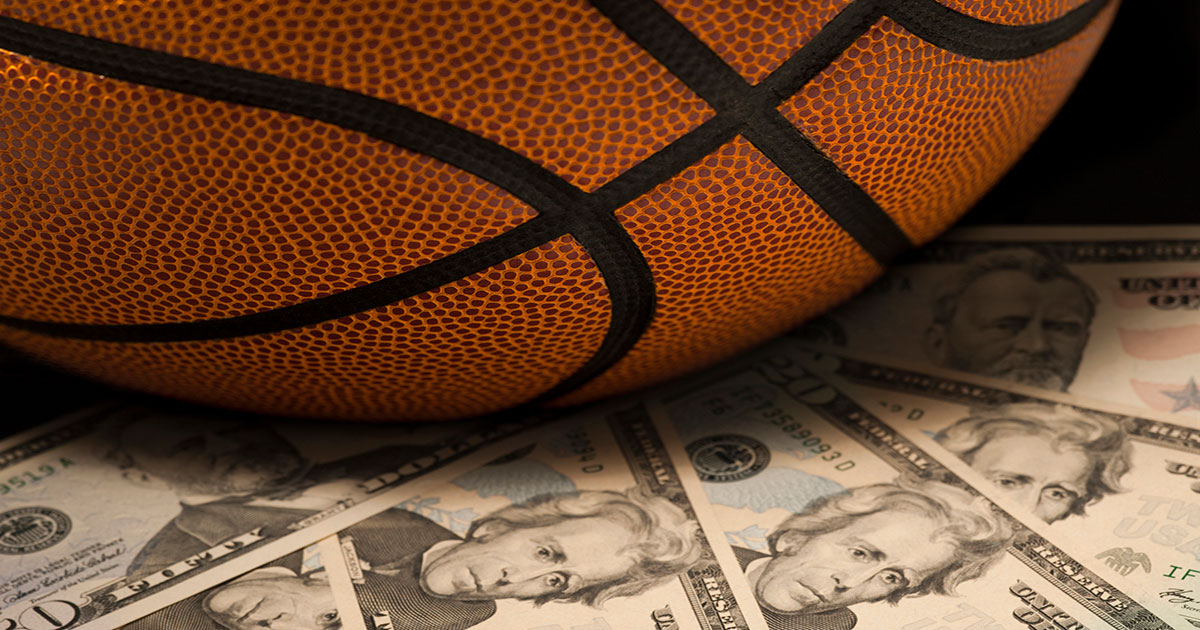
House v. NCAA: Era of Revenue Sharing in College Sports Begins
A federal judge has approved a landmark $2.57 billion settlement, clearing the way for a sweeping change in college athletics: Revenue sharing for student-athletes.
 www.wisbar.org
Latest
-
01
 The Knight Report
Top 10 recruit Benjamin Berrouet sets Rutgers Basketball Official Visit
The Knight Report
Top 10 recruit Benjamin Berrouet sets Rutgers Basketball Official Visit
-
02
 The Knight Report
Join The Knight Report TODAY and get it for 60% off!
The Knight Report
Join The Knight Report TODAY and get it for 60% off!
-
03
 The Knight Report
Rutgers Women's Basketball Practice Report: Fall Edition
The Knight Report
Rutgers Women's Basketball Practice Report: Fall Edition
-
04
 The Knight Report
Rutgers Football versus Northwestern Game Time Announced
The Knight Report
Rutgers Football versus Northwestern Game Time Announced
-
05
 The Knight Report Basketball
Where Rutgers Basketball lands in preseason KenPom rankings
The Knight Report Basketball
Where Rutgers Basketball lands in preseason KenPom rankings