How Did We Get Graham Platner, Anyway? The Answer Is the Problem.
How did they get Platner? Let's put it this way. Democratic politicians are superficial, shallow. They think governance is a popularity contest. Idiots.
https://www.yahoo.com/news/politics/articles/did-graham-platner-anyway-answer-213149185.html
At some point in childhood, through one classic fable or another, most of us absorb the lesson that looks can be deceiving. It's what's on the inside that counts.
Promoters of Graham Platner's doomed Senate campaign in Maine disregarded that age-old warning, and now they are paying the price. Based solely on a collection of vibes they thought would appeal to working-class voters, they elevated a candidate with a questionable past and a troubling present. After a
steady drip of stories that illustrated Platner's loose hold on morality, one finally tipped the balance this week with a
credible allegation of rape. Scores of prominent Democrats are calling for Platner to drop out of the race. With time running out and the fate of a winnable—and essential—Senate race in the balance, party operatives are scrambling to figure out what to do.
There are plenty of lessons here, but there is one in particular that I hope does not get lost in this moment of chaos: The Platner folly exposes the pitfalls of this vibes-based mode of political recruiting. Platner was plucked from oyster farm obscurity by political strategists (and betrothed couple) Dan Moraff and Leanne Fan, who paid for a
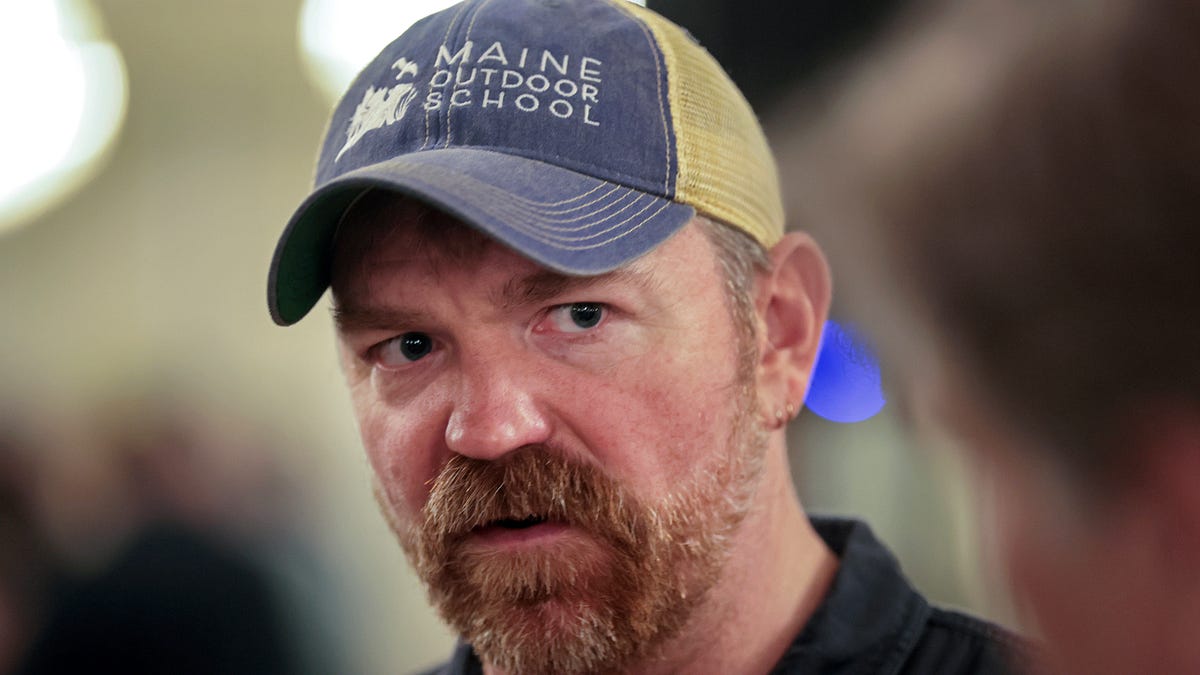
cheaper, faster version of the traditional vetting process a potential candidate usually undergoes. (Yet another old adage they ignored: You can do something cheaply, quickly, or well, but not all three.) Moraff has built his career around a mission to convince working-class progressives outside of typical political pipelines to run for office. A plainspoken veteran with a dense beard and a closet full of grimy sweatshirts, Platner fit the bill.
His left-leaning ideology was essential, certainly. And Mainers have spoken about his talent for riling up a crowd with an uncommon magnetism. But what really made Platner appealing to Moraff and Fan didn't have anything to do with the kind of person he was or what was, or wasn't, on his résumé. It was his unvarnished aesthetic. "Part of our thesis here is that people do not want their candidates grown in vats," Moraff
told the Wall Street Journal. "They want people who are real human beings, and they want people who do not look and sound like the vat-grown people who've been leading this country off the cliff for the past century, and that was Graham."
This is a shallow theory of how to achieve transformative political change, but it might have worked as the start of an electoral strategy. Voters judge candidates in part by the way they look and sound, so it makes sense to consider this in a potential candidate. However, Moraff and other Platner backers seem to have ended their assessment there. Rising-star political strategist Morris Katz, who began working with Platner after contributing to the blockbuster success of the Zohran Mamdani campaign, has said
he decided within the very first minutes of their initial conversation that Platner "owes it to the country to run for Senate."