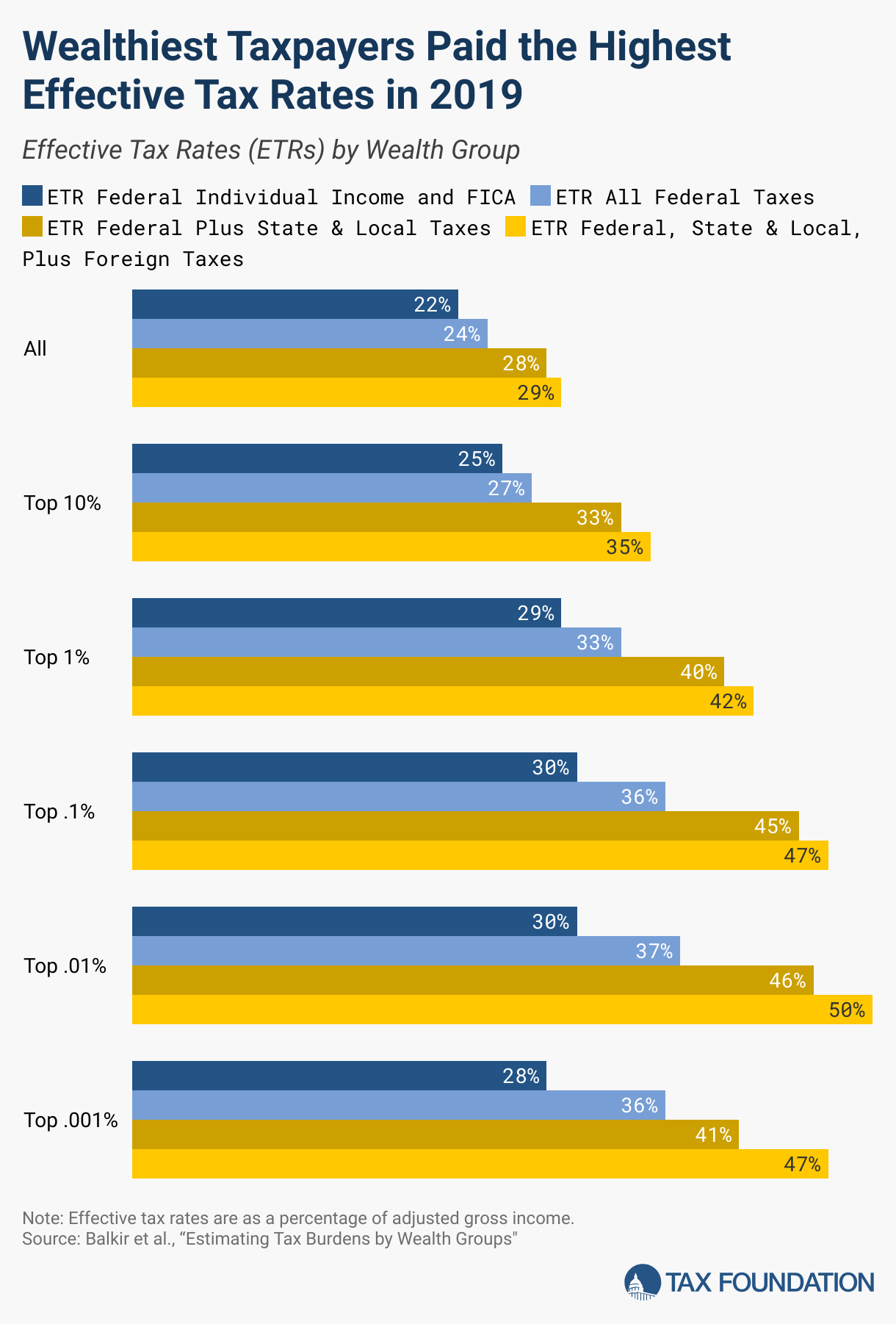
Yes you pretty much said all of those things indirectly if not directly. You complained about "how they (CEOs) earn income vs a typical wage earner" then went on to claim that stock grants and options are only taxed 0% to 20% which is factually incorrect.
Then you continued by listing things that CEOs take advantage of that presumably aren't available to typical wage earners. You include things like using capital losses to offset capital gains and taking deductions for charitable contributions. Those things are available to everybody. Then you listed deferred compensation plans which might not be available to rank and file employees but to be honest things like annuities and 401-ks/IRAs are deferred plans and regular employees are able to defer a much larger percent of their income than highly paid CEOs.
There are only a few CEOs who take zero base pay. Those that do 1) Don't need the money, 2) It's good PR, and 3) They make money from stock price appreciation which is more closely aligned with shareholder interest. Yes the tax rate might be lower than with base salary but it's not guaranteed and it's not 0% or even 20%.
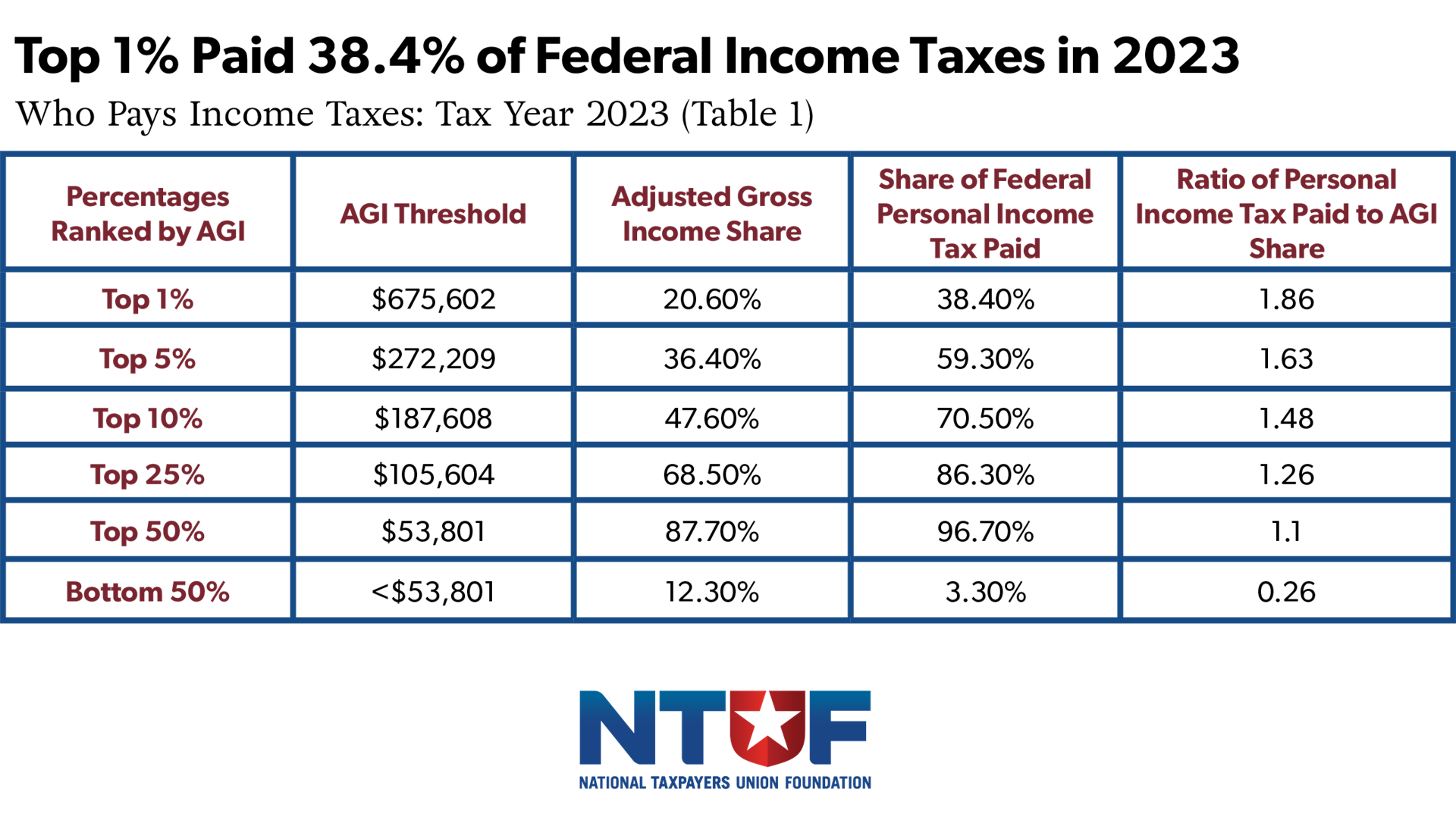
I think we should increase taxes on the ultra rich because every penny helps reduce the deficit as long as we don't spend it. I just fight back when people post misleading information.
P.S. I support higher taxes on the ultra wealthy but I also think there's a limit to what we can do without incurring unintended consequences.
LOL no, you inferred those things based on your own narratives.
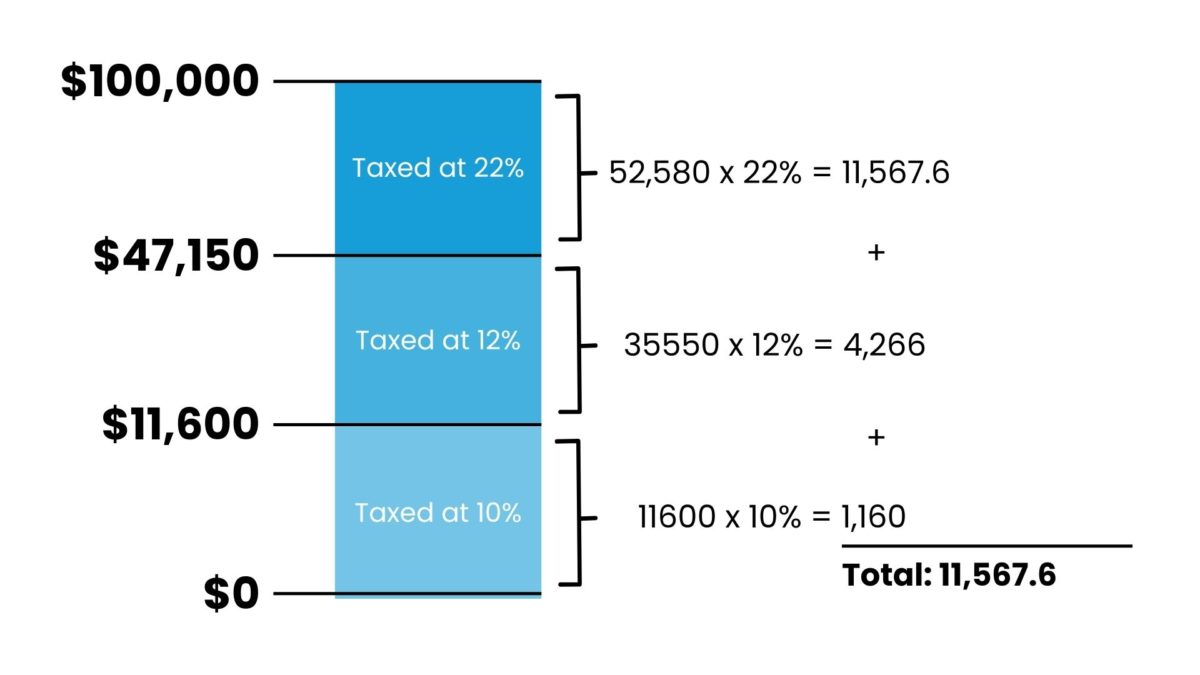
I stated that CEO pay is structured to reduce their tax burden, and it is. Stock awards are taxed at the capital gains rate which is lower than the income tax rate. That is correct. I got the percent wrong but the point is still the same.
I never said capital losses and charitable deductions weren't available to regular people. No ****.... those are available to everybody. I had a capital loss on my return last year.
Based on the way you talk, I'm guessing you are in finance so you should know the difference between a traditional 401k and an EDCP. Yes, a 401k is deferred compenstation but it's not an EDCP. The rules are different and I'm guessing you know this. With an EDCP there are no IRS caps. You can defer 100% of your pay including equity pay through RSUs.
CEO's taking $1 pay or minimum wage (depending on state laws) are not uncommon and yes, the public message is that they are aligning themselves with the company's success which is part of the story. I never said their tax or even effective tax rate was 0%.