The most important war since 1939
- Thread starter WVUALLEN
- Start date
You are using an out of date browser. It may not display this or other websites correctly.
You should upgrade or use an alternative browser.
You should upgrade or use an alternative browser.

There are Americans that will say anything and play any political point to prevent War. I think that's a flawed strategy and don't like the tactic. I would also caution him on using the Neo-Nazi talk as that also points at his entire Democrat Party holding office right now minus Fetterman. Iran has been holding the World Hostage for 47 years. Trump has had enough of it as it also affects us here too. Will Isarel benefit. Yes as will the entire Middle East, Europe, Asia, and South America. The CCP not so much. I appreciate Isarel's support in this fight. Our European allies keep showing why our ancestors left those entitled pricks long ago.
Last edited:

Iran rockets are not needed to fight the US because of Democratic party and their open borders policy.
Iran rockets are not needed to fight the US because of Democratic party and their open borders policy.
I would say BOTH are a problem with different solutions with how we deal with it. Hence why the Democrats like Obama and Biden kept giving them an assist. I would encourage the Alt Right not to do the same thing.

Democrats DO NOT support making America stronger or keeping America safe. They hate this country, as much as our enemies do.Iran rockets are not needed to fight the US because of Democratic party and their open borders policy.

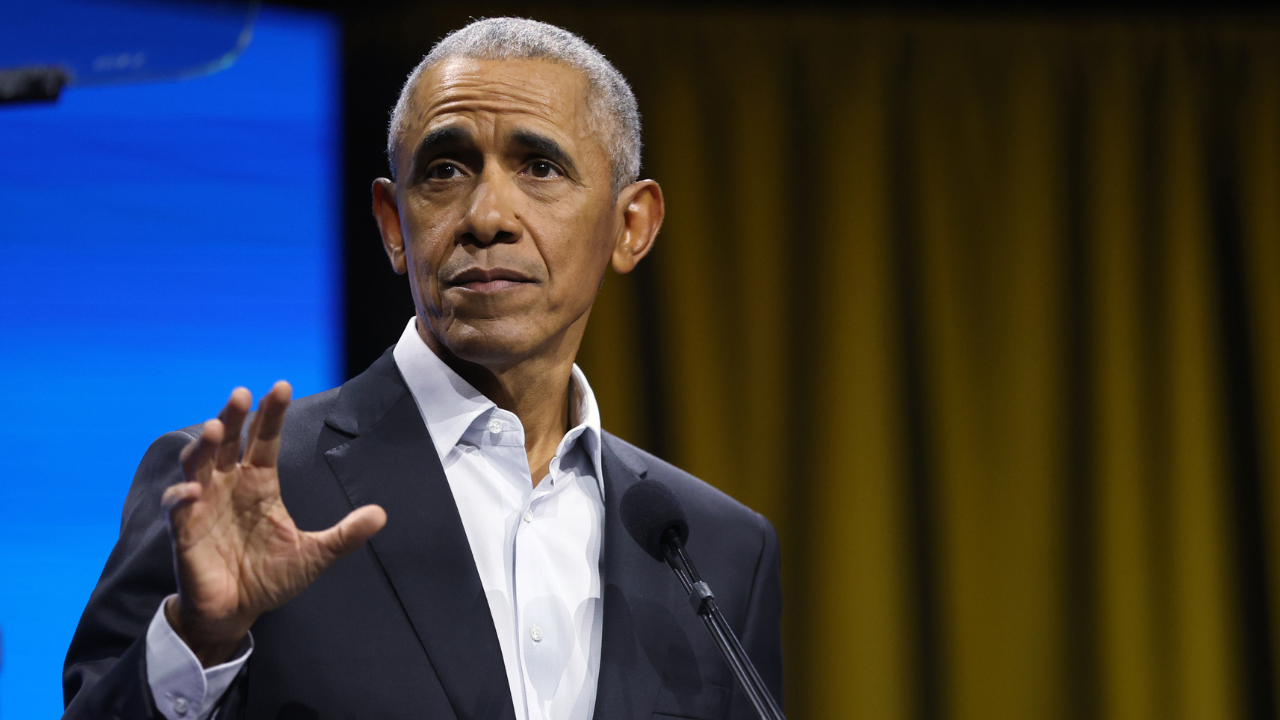
Obama intel chief angered president at meeting by asking if he'd tolerate Iran having nuclear weapon
Newly released oral histories revealed that former DNI Dennis Blair confronted President Obama over Iran’s nuclear policy and was later sidelined.
 www.foxnews.com
Obama intel chief angered president at meeting by asking if he'd tolerate Iran having nuclear weapon
Dennis Blair says he was kept out of meetings after annoying Obama with question about Iran
Former Director of National Intelligence Dennis Blair once angered then-President Barack Obama during a White House meeting on Iran, after he pressed Obama on whether he could tolerate the nation obtaining a nuclear weapon, according to newly released oral history interviews.
"When it came my turn to speak at this meeting," Blair said, "I said, ‘Mr. President, you really just have one decision to make… Are you going to tolerate Iran having a nuclear weapon or not?’" He added that rejecting a nuclear Iran would require espionage and military options, while acceptance would mean a strategy to contain and deter Iran.
The exchange, documented in interviews conducted by the University of Virginia's Miller Center and reported by The New York Times, offers a window into internal divisions within the Obama administration as officials debated how to respond to Iran's nuclear program.
Blair said the moment prompted a sharp warning from Obama.
The president took me aside after that meeting and said, ‘Denny, don’t ever put me on the spot like that again,’" he recalled. "I said… ‘Yes, sir, Mr. President. I certainly won’t.’" He added, "I was kept out of meetings from that time forward."
Blair described the meeting as one that had been presented as an opportunity to provide input on Iran policy, and he made the "mistake" of thinking Obama was honestly looking for "fresh insights."
Blair served as Obama's DNI from the start of his presidency in 2009 until he resigned at Obama's request in May 2010.
Obama would go on to negotiate the Iran nuclear deal during his second term, which his administration hailed as a landmark diplomatic achievement that limited the country's nuclear ambitions while avoiding bloodshed. Its critics savaged the deal as mere appeasement that granted unearned sanctions relief to the world's largest state sponsor of terror.