Not a very high bar to beat looking at the past few decades.She's the best, most qualified AD we've ever had.
Let Schiano stay the entire season
- Thread starter Gregisgarbage
- Start date
You are using an out of date browser. It may not display this or other websites correctly.
You should upgrade or use an alternative browser.
You should upgrade or use an alternative browser.


No doubt about that. We've simply had some really unprofessional people in the role. Unfortunately NJ viewed it as a purely political position and it was reflected in a few of our hires. Tim did his best but he was in over his head. That woman DEI hire that was shoe horned in by that woke lesbian with an agenda was just awful. Hobbs actually would have been somewhat decent had NIL never came about and he was able to keep in his pants. Once NIL came and he didn't jump on board, his days were numbered.Not a very high bar to beat looking at the past few decades.
Keli has the experience and is building a sustainable revenue producing arm, filled with professionals. We will see what she can ultimately accomplish, but she's the most qualified person we've ever had in the role. The Schiano mess was steaming pile that was inherited via Hobbs. She isn't responsible for that. She's responsible for the next hire.
Last edited:
We will find out, but as of now Keli looks like a good one and not panic prone.
Seems like before doing anything she seems to make sure she has a plan, works on making it work, then makes her move.
I don't follow her and she might be great. I am always skeptical of non football people making big football decisions. Some ADs are infrastructure builders and some are rainmakers and some are sport specific. Kevin Anderson at army moved team away from option and hired pro-set coaches and got Army into Conference USA. A 15 year losing streak was the result. Maryland's Debbie Yow was big on ladies sports and had bad relations with male coaches. She hired a "coach in waiting" to push Fridge out the door. Boo Corrigan was a football AD from ND who finally got the right coach and needed changes from admin. Army turned around 15 years of decay. Football programs are beasts that can easily go off the rails with bad ideas that seem like good ideas.
Indiana AD was a basketball AD but he knew how to research data. Indiana has the model
"The first thing that stands out about the Cignetti hire is that it wasn’t the “flashy” choice. Most big-time programs hunt for the 35-year-old “hot coordinator” from a powerhouse school. They look for the rising star with a high-gloss social media presence...
Athletic director Scott Dolson did not run a popularity contest. He ran a disciplined search and used a pro forma approach that forced clarity around what actually mattered.
Here is what stood out.
1. A Data-Driven, Pro-Forma Approach
Before IU ever looked at résumés, Scott Dolson studied the landscape. He analyzed programs like North Carolina, Duke, Kentucky, and Kansas — schools with strong basketball identities that had still found ways to win in football. He looked at what worked, what failed, and what kind of coach succeeded in those environments. By analyzing these “peer” organizations, he was able to create a precise job description for the leader IU actually needed.
This is a valuable insight for businesses. Before you rush to hire, slow down and study your own situation. Take time to understand what your organization actually needs, not just what you think you need. Look at companies with similar constraints and learn from them.
2. The Winner Requirement
Dolson wanted someone who had been a head coach and had won. Not once. Not by accident. He wanted someone who had done it over and over. Cignetti checked that box. He had taken multiple programs from mediocrity to dominance. He knew how to build culture, recruit talent, and sustain performance. That track record reduced risk.
In business, this matters more than people admit. If you need a turnaround, hire someone who has already done one. Past behavior remains one of the best predictors of future results....
4. A Proven Blueprint
Dolson noted that many candidates have a “vision,” but Cignetti had a “blueprint” which he shared during his initial interview. He had already executed the same turnaround at multiple stops. That made him dangerous in the best way.
This is what great hiring looks like. You do not hire hope. You hire someone who knows how to lead through change and has a desire to help your company do the same.
Empowering the Disruptor: Hiring and Letting Them Lead
This offers another important reminder for businesses. If you hire a leader to fix a broken department, you must give them the autonomy and resources to actually change the organization’s DNA. You cannot hire a disruptor and then ask them to protect the old ways. You cannot demand transformation while defending the status quo.
Worst to First: How IU Football Flipped the Script by Hiring Curt Cignetti
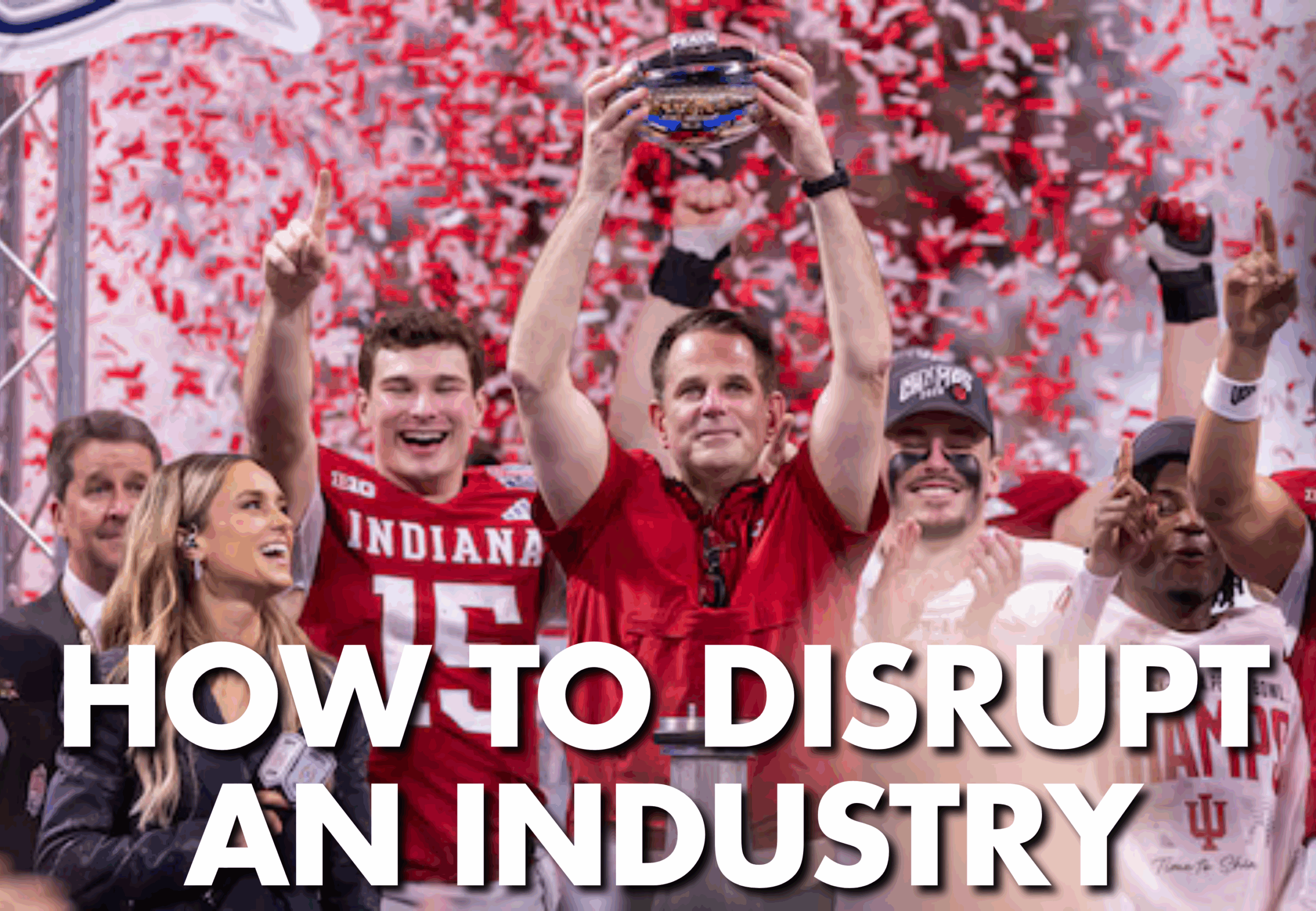
Worst to First: How IU Football Flipped the Script by Hiring Curt Cignetti - Z. Wilson Talent Solutions
I still can’t quite believe what I watched at the Peach Bowl. Standing there with my brother, wearing IU red, cheering as the Hoosiers punched their ticket to the national championship felt surreal. I grew up going to IU games when they practically gave tickets...
 zwilsontalentsolutions.com
No doubt about that. We've simply had some really unprofessional people in the role. Unfortunately NJ viewed it as a purely political position and it was reflected in a few of our hires. Tim did his best but he was in over his head. That woman DEI hire that was shoe horned in by that woke lesbian with an agenda was just awful. Hobbs actually would have been somewhat decent had NIL never came about and he was able to keep in his pants. Once NIL came and he didn't jump on board, his days were numbered.
Keli has the experience and is building a sustainable revenue producing arm, filled with professionals. We will see what she can ultimately accomplish, but she's the most qualified person we've ever had in the role. The Schiano mess was steaming pile that was inherited via Hobbs. She isn't responsible for that. She's responsible for the next hire.
Im sure this Schiano debacle wasn’t anticipated and probably screws up any potential of giving him 2 seasons of grumbling fans and funding resources for a big hire.
I agree Schiano needs to go. But so does his entire staff, especially Kirk. No more pro style only offenses! Rutgers needs athletes playing QB, for once!
I'm guessing that will be up to the new coach. I think that you might want to keep Damiere Shaw.I agree Schiano needs to go. But so does his entire staff, especially Kirk. No more pro style only offenses! Rutgers needs athletes playing QB, for once!
Also let go the approximately 20 staff members who have nothing listed under their bio on the team website.
Last edited:



Either keep Schiano, save the 18 million, and use the $$ to get better Jimmies and Joes. Or, clean house, dump Tate and Zinn, stop this stupid Washington Generals routine and just be a great university!We will find out, but as of now Keli looks like a good one and not panic prone.
Seems like before doing anything she seems to make sure she has a plan, works on making it work, then makes her move.

Isn’t there something like 120 members on the Staff? Double any other B1G team. The waste and irresponsible management of this organization is ridiculous. Dump Schiano and his nepotism cronies along with 60 of the bloated staff . The money is there for the buyout.I'm guessing that will be up to the new coach. I think that you might want to keep Damiere Shaw.
Also let go the approximately 20 staff members who have nothing listed under their bio on the team website.
He could. But not sure there’s really a difference either way whether Greg finishes out the season or not.I saw somewhere, don't remember if it was on this board, that Dave Brock could be an interim.
Latest
-
01
 The Knight Report
New Brunswick school chosen to receive renovation with Rutgers Athletics in new B1G Build initiative
The Knight Report
New Brunswick school chosen to receive renovation with Rutgers Athletics in new B1G Build initiative
-
02
 The Knight Report
Join The Knight Report TODAY for $1 and get 50% off!
The Knight Report
Join The Knight Report TODAY for $1 and get 50% off!
-
03
 The Knight Report
Projected Rutgers Football depth chart versus USC
The Knight Report
Projected Rutgers Football depth chart versus USC
-
04
 The Knight Report
Recruit Visitor list for Rutgers Football versus USC
The Knight Report
Recruit Visitor list for Rutgers Football versus USC
-
05
 The Knight Report Football
Behind Enemy Lines: An inside look at the USC Trojans
The Knight Report Football
Behind Enemy Lines: An inside look at the USC Trojans