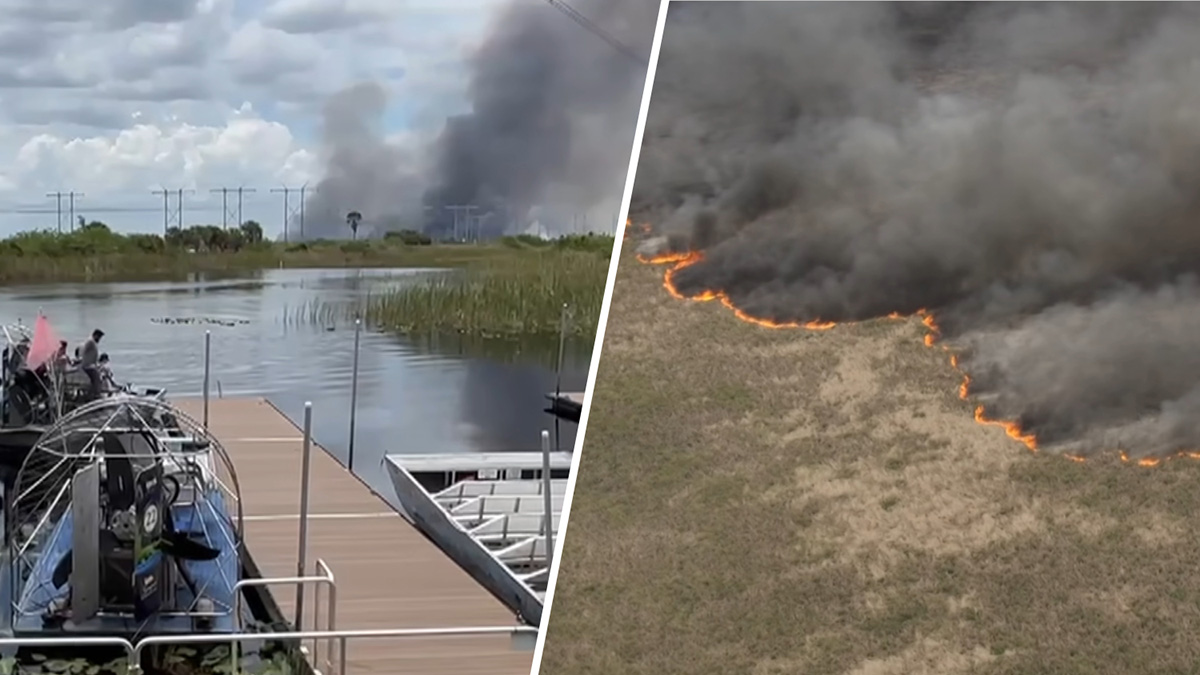
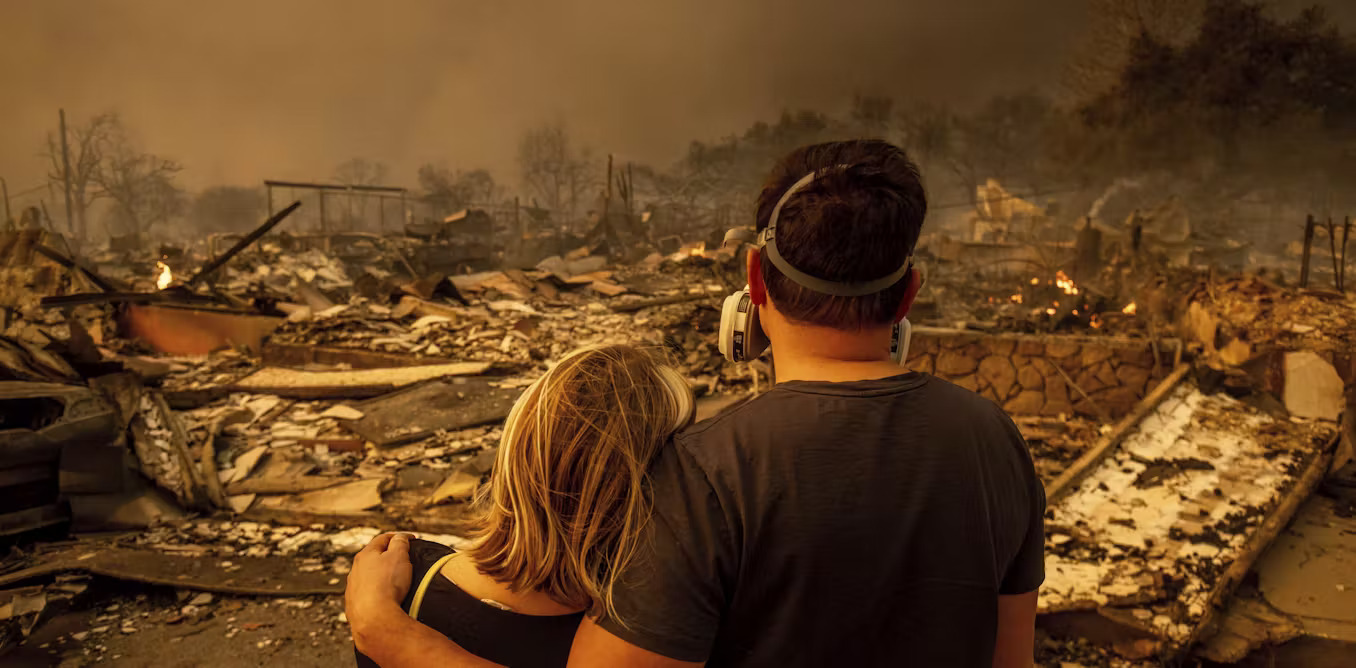
“What is unfolding is what climate and forest scientists have been predicting for 30 years,” Werner Kurz, a retired senior research scientist at Natural Resources Canada, told me. “That as the world gets hotter and drier, we are exposing forests to more and more risk, and the old strategies of fire suppression are simply being overwhelmed.”
In the particularly bad stretch from 2023 to 2025, some 8 percent of Canada’s forests burned, Bonada said. Repeated, large fires have caused a decline in the predominant species of conifers, the black spruce, shifting what vegetation regrows. These enormous swaths of boreal forest from the Yukon to Newfoundland and Labrador—more than 1 million square miles—act as massive vaults for carbon, which is locked away in billions of trees and the forest floor. But so much of those forests is going up in smoke that they have become their own notable source of greenhouse gases in recent years. A 2024 study published in Science found that carbon emissions from wildfires had increased by 60 percent in the prior two decades. Fires in boreal forests such as Canada’s were the main reason. Another study, published in Nature, found that Canadian wildfires in 2023, when more than 43 million acres burned, generated more emissions than the burning of fossil fuels in all but the three most-polluting countries.
Many of these fires coincide, as this week’s blazes in Ontario have, with heat waves. The town of Lytton, in British Columbia, was nearly wiped off the map in 2021 the day after it endured Canada’s hottest temperature on record, 121 degrees.
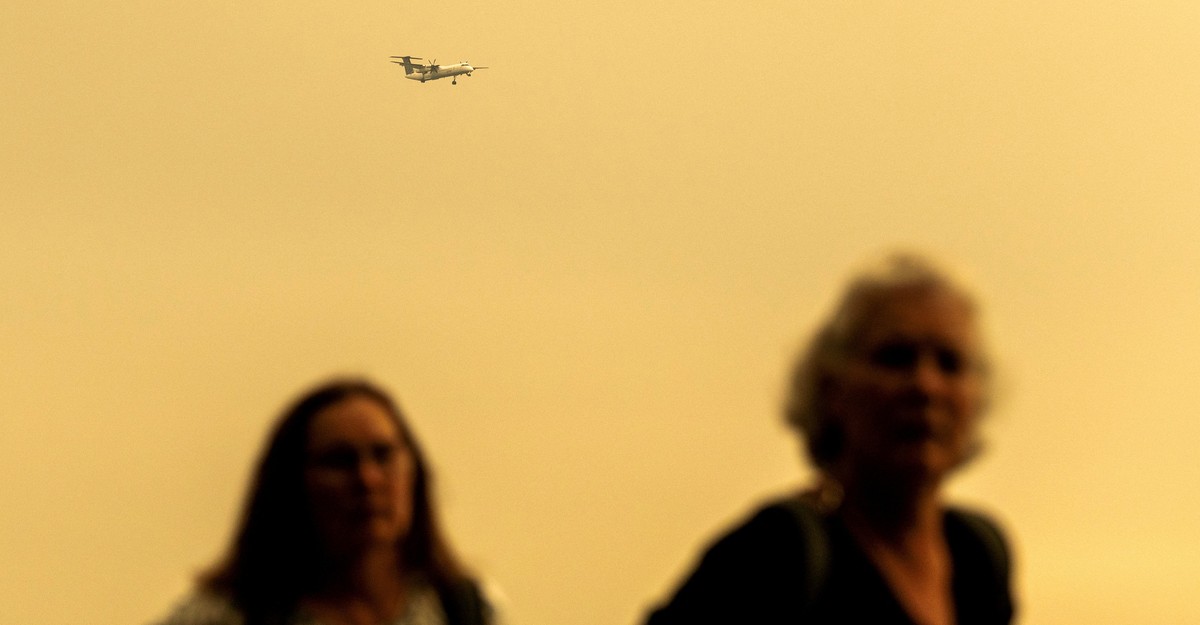
“Having these temperatures in forested areas, it’s just impossible. The forests don’t remain,” John Pomeroy, a hydrologist at the University of Saskatchewan who has studied the effects of climate change, told me. He is based at a research lab in the Canadian Rockies, in Alberta. Last week, the whole area was blanketed in smoke, he said, from wildfires in British Columbia. In addition to causing harmful health impacts, wildfire smoke also darkens glaciers in the mountains. Those darker glaciers absorb more sunlight, which causes them to melt faster. The world is caught in these loops, and they’re only going to keep repeating.
 www.theatlantic.com
In the particularly bad stretch from 2023 to 2025, some 8 percent of Canada’s forests burned, Bonada said. Repeated, large fires have caused a decline in the predominant species of conifers, the black spruce, shifting what vegetation regrows. These enormous swaths of boreal forest from the Yukon to Newfoundland and Labrador—more than 1 million square miles—act as massive vaults for carbon, which is locked away in billions of trees and the forest floor. But so much of those forests is going up in smoke that they have become their own notable source of greenhouse gases in recent years. A 2024 study published in Science found that carbon emissions from wildfires had increased by 60 percent in the prior two decades. Fires in boreal forests such as Canada’s were the main reason. Another study, published in Nature, found that Canadian wildfires in 2023, when more than 43 million acres burned, generated more emissions than the burning of fossil fuels in all but the three most-polluting countries.
Many of these fires coincide, as this week’s blazes in Ontario have, with heat waves. The town of Lytton, in British Columbia, was nearly wiped off the map in 2021 the day after it endured Canada’s hottest temperature on record, 121 degrees.
“Having these temperatures in forested areas, it’s just impossible. The forests don’t remain,” John Pomeroy, a hydrologist at the University of Saskatchewan who has studied the effects of climate change, told me. He is based at a research lab in the Canadian Rockies, in Alberta. Last week, the whole area was blanketed in smoke, he said, from wildfires in British Columbia. In addition to causing harmful health impacts, wildfire smoke also darkens glaciers in the mountains. Those darker glaciers absorb more sunlight, which causes them to melt faster. The world is caught in these loops, and they’re only going to keep repeating.
Canada’s Forests Will Burn and Burn
Once a wildfire starts, it can spread to an area too massive to control.
www.theatlantic.com