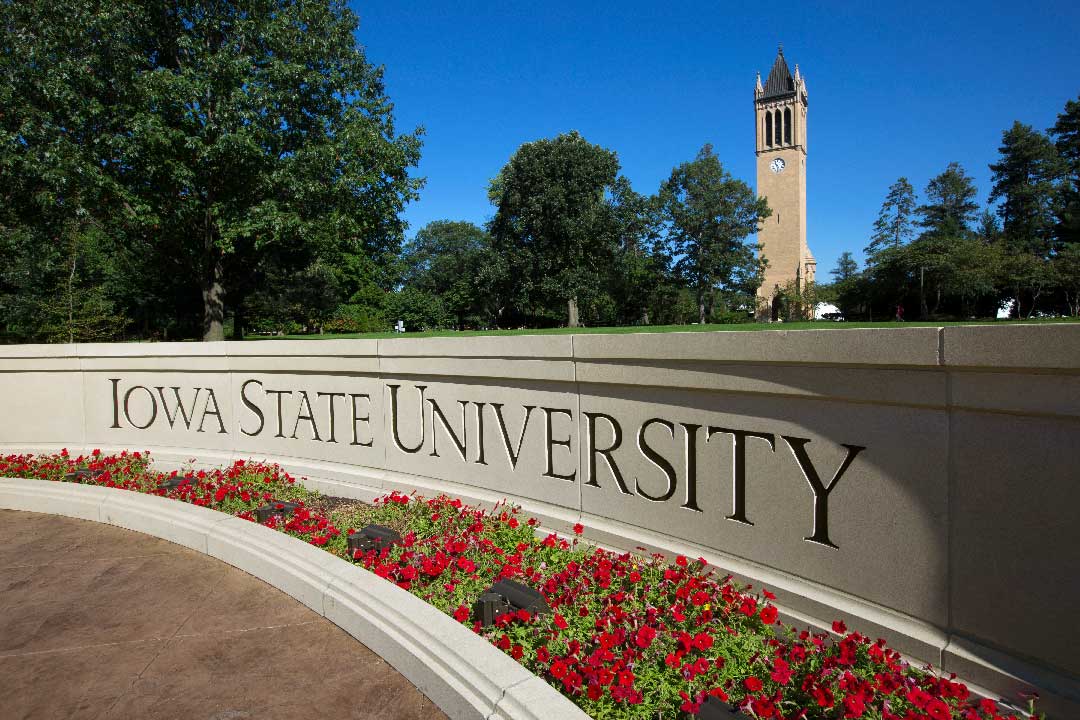
Clown U is still facing a $147 million budget deficit through 2031; as a result, they have postponed a Hilton Coliseum renovation & construction of a new wrestling practice facility
The story from the Gazette:
Facing $147M deficit, ISU Athletics halts Hilton Coliseum renovation, ups Ticket Prices
Vanessa Miller
Cedar Rapids Gazette
Jul. 24, 2025
AMES — Iowa State University Athletics — facing a $147 million budget deficit through 2031, or just under $25 million annually over the next six years — is rolling out painful concessions, including indefinitely postponing construction of a new wrestling practice facility and a
$25 million Hilton Coliseum renovation.
“In the past two years, there have been several transformational changes in college athletics that will result in $30 million in recurring annual financial repercussions to the athletics department beginning this year,” ISU athletics reported in its 2026 budget report to the Board of Regents, made public this week.
Although it has identified about $8.7 million in annual budget savings, the cumulative $24.5 million annual funding gap is expected to culminate in a $147 million net deficit by 2031 — putting the Cyclones in an all-hands-on-deck situation.
“ISU is engaging with the Big 12 Conference, ISU Foundation, sponsors, donors and other partners to explore additional opportunities to create growth in revenue sufficient to overcome future anticipated revenue shortfalls and to otherwise support the continued success and viability of the ISU athletics program,” department officials reported.
“ISU views this effort as one of the top priorities and challenges facing the university.”
Changes threatening ISU Athletics include realignment of the Big 12 Conference from 10 to 16 teams; the
House vs. NCAA settlement allowing revenue sharing with student athletes; and adjustment of the distribution model for College Football Playoff revenue, which Iowa State reports as “negatively impacting the Big 12 Conference.”
Given the challenges, Iowa State told the board it has made several tough budget decisions, including:
- Indefinitely postponing construction of a planned $20 million wrestling practice facility and a $25 million Hilton Coliseum renovation;
- No longer absorbing the cost of sales tax on tickets and instead passing on that expense — about $1.5 million annually — to consumers;
- Upping annual required donation levels for membership in the Cyclone Club by 20 percent — generating an estimated $3 million annually.
- And mandating all sports and support units cut costs and find savings “to slow the growth of overall expenses.”
“The most significant savings have resulted from reducing travel costs for Olympic sports,” athletics officials reported.
The
landmark NCAA vs. House settlement threatening Iowa State took effect July 1, allowing college athletics programs going forward to directly compensate student athletes for their name, image, and likeness.
The deal allows schools to start sharing revenue with players up to an annual cap of $20.5 million in the current 2026 budget year — with the cap increasing about 4 percent, or $1 million, annually through 2035, according to media reports and trade publications.
“Historically, (ISU) Athletics operated as a self-sufficient operation transferring the funds necessary to cover operating costs in the current fiscal year,” according to the board report. “Prior to FY 2025, under the current administration, ISU Athletics had not incurred an operating deficit other than the COVID impacted season, which was absorbed by cash reserves.”
The 2026 budget needed a one-time $26.7 million transfer from the ISU Foundation to remain balanced.
“Going forward the cash reserves for athletics within the Foundation will not be sufficient to cover an operating deficit for FY 2027 and beyond,” ISU officials report.
Breaking down specific line items, Iowa State is expecting NCAA and conference revenue to drop $2.2 million this year — largely due to the House settlement and the NCAA’s need to absorb the costs, “thereby reducing the net revenues available to distribution to member schools.”
Given the increase in expenses, the total budget is projected to increase 24 percent to $141.1 million.
“Football travel expense will increase as the football program plays a total of six road games this season compared to five in the prior season,” officials reported, noting, “ISU was invited to lead off the college football season in Ireland for one of the road games due to recent competitive success.”
UI, UNI Athletics
The University of Iowa Department of Athletics also calculated in a $20.5 million expense increase due to the NCAA revenue-sharing arrangement — bringing its total budget for fiscal 2026 to $169.6 million.
“The budget increase largely correlates to revenue sharing with student-athletes,” UI officials reported to the board.
But unlike Iowa State, UI Athletics is anticipating a 10 percent increase in Big Ten Conference revenue — reaching a record $82.7 million — thanks to a renegotiated television contract.
“Most primary revenue sources are anticipated to increase in FY 2026,” officials said.
UI Athletics again this year committed $2.5 million toward
repayment of a $50 million loan from the main campus to quell the department’s losses during COVID.
And University of Northern Iowa Athletics —
which is not self-supporting like the other public universities — did not budget the optional revenue sharing with student athletes.
“Since UNI Athletics does not receive substantial revenues from conference distributions and other sources, and similar to other comparable universities, the university provides athletic support for scholarships and operations,” officials reported.
That figure is budgeted to increase from $5 million in fiscal 2025 to $5.4 million.
AMES — Iowa State University Athletics — facing a $147 million budget deficit through 2031, or just under $25 million annually over the next six years — is rolling out

www.thegazette.com